Sohini, in part two, helps us discover the quirky, intellectual world of Bengalis through witty observations from Delhi weddings, Mumbai offices, and Bangalore cafeterias, exclusively for Different Truths.
(Compiled from field observations across Delhi weddings, Mumbai offices, and Bangalore IT cafeterias)
Adda (n.)
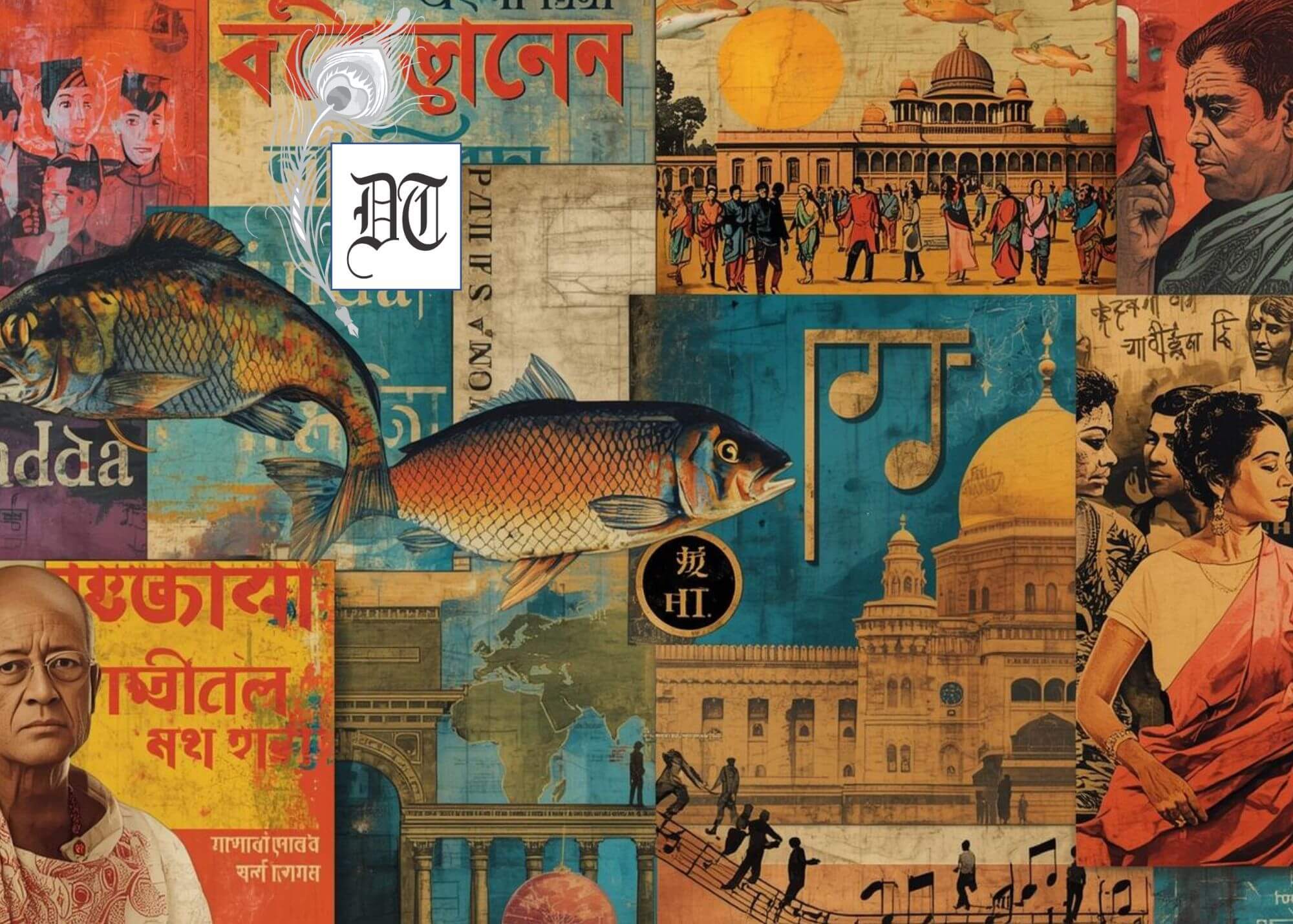
What Bengalis call “conversation.” To the rest of India, it is simply unemployment with philosophy. In adda, Bengalis discuss Marx, fish prices, Tagore, Sourav Ganguly, and the declining moral fibre of non-Bengalis — all in one sitting that lasts six hours.
⸻
Fish (n.)
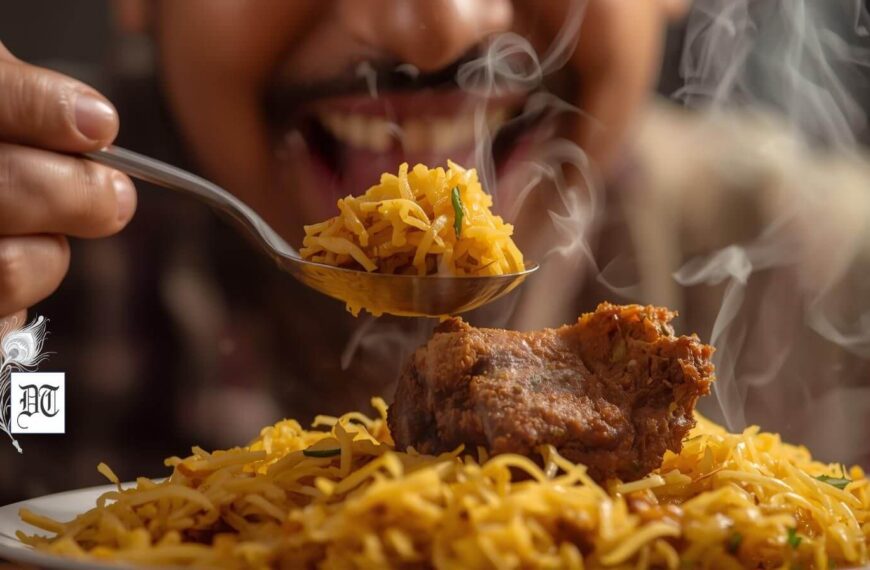
Not just food, but oxygen, religion, and currency. To others, the Bengali diet looks like: fish for breakfast, fish for lunch, fish for dinner, and in between, a discussion about tomorrow’s fish. If there’s no fish, Bengalis behave as if famine has returned.
⸻
Rabindrasangeet (n.)
For Bengalis, the highest form of art. For outsiders, an endless playlist of sad songs about rain and separation that sound suspiciously identical. If you marry a Bengali, be prepared: no DJ, only Rabindrasangeet at 2 AM.
⸻
Communism (n.)
A political system most of the world abandoned decades ago, but Bengalis treat it as a family heirloom. Even when working at Goldman Sachs in London, a Bengali will tell you with pride: “Actually, capitalism is a failed system, dada.”
⸻
English (n.)
A second mother tongue. The rest of India suspects Bengalis love English more than Hindi, and possibly more than Bengali. Especially if spoken by a Saheb.
⸻
Hindi (n.)
A tragic battlefield. Outsiders say Bengalis sound like they’re auditioning for Shakespeare when they attempt Hindi: “Driverji, hum tumko paisa dega, tum meter theek rakho.” For Delhiites, this is both comedy and cruelty.
⸻
Rosogolla (n.)
A syrupy sweet orb that Bengalis claim they invented, perfected, and copyrighted. The rest of India nods politely, eats two, and mutters: “Bhai, diabetes ho jaayega.”
⸻
Bengali Mother (n.)
An unstoppable force of nature who believes every child should be a doctor or engineer, and that the neighbour’s son (inevitably called Anindya or Ranjan) is the gold standard of human achievement. Outsiders fear her more than the Communist Party cadre.
⸻
Football (n.)
Religion. Outsiders know this: if Mohun Bagan loses, do not speak to a Bengali for three days.
⸻
The Saheb (n.)
To Bengalis, the British are still beloved bhadraloks in suits. Outsiders laugh and say: “Even after independence, Bengalis haven’t decolonised their hearts.”
⸻
Outsider’s Conclusion
To the rest of India, the Bengali is a fish-eating, Tagore-singing, Hindi-mangling intellectual who still thinks Marx will win elections and that Britain will one day call back to say sorry.
Annoying, eccentric, dramatic — but secretly admired for culture, brains, and sweets.
Picture Design by Anumita Roy

Sohini Roychowdhury is a renowned Bharatanatyam dancer, choreographer, artistic director, speaker, social activist, and professor of Natyashastra. She founded Sohinimoksha World Dance & Communications in Madrid/Berlin/Kolkata/New York. A visiting professor of dance at 17 universities worldwide, she won several awards, including the “Mahatma Gandhi Pravasi Samman” by The House of Lords, the Priyadarshini Award for Outstanding Achievement in Arts, and the Governor’s Commendation for Distinguished World Artiste. She has also authored several books, including ‘Dancing with the Gods’.



 By
By
 By
By