
Art historian Monika elucidates Baroque art, born from faith and drama, captivates with light, emotion, and grandeur, transforming spaces into divine theatrical spectacles, exclusively for Different Truths.
The history of art is often a mirror of the tides of human belief, ambition, and imagination. If the Renaissance celebrated balance, proportion, and reason, then Baroque burst forth as its dramatic sibling – lavish, emotional, and grand. From the gilded altars of Rome to the candlelit canvases of Rembrandt, Baroque art became a theatre of vision, where stone, paint, and li,ght conspired to stir the soul.
Origins: Faith Meets Theatricality
The late 16th century was a time of spiritual and political turbulence in Europe. The Protestant Reformation had fractured Christianity, and the Catholic Church responded with the Counter-Reformation, seeking to reaffirm its spiritual authority. Art became a weapon of persuasion.
In Rome, cardinals and popes called upon artists to create works that did not merely depict faith but performed it. The result was the birth of the Baroque. Its very name… derived from the Portuguese word ‘barroco’ (an irregular pearl) … suggests a style of beauty found in complexity, grandeur, and deliberate imperfection.
***
Defining Features of the Baroque
Baroque art was never subtle. It was designed to overwhelm the senses and captivate the heart. Its hallmarks included:
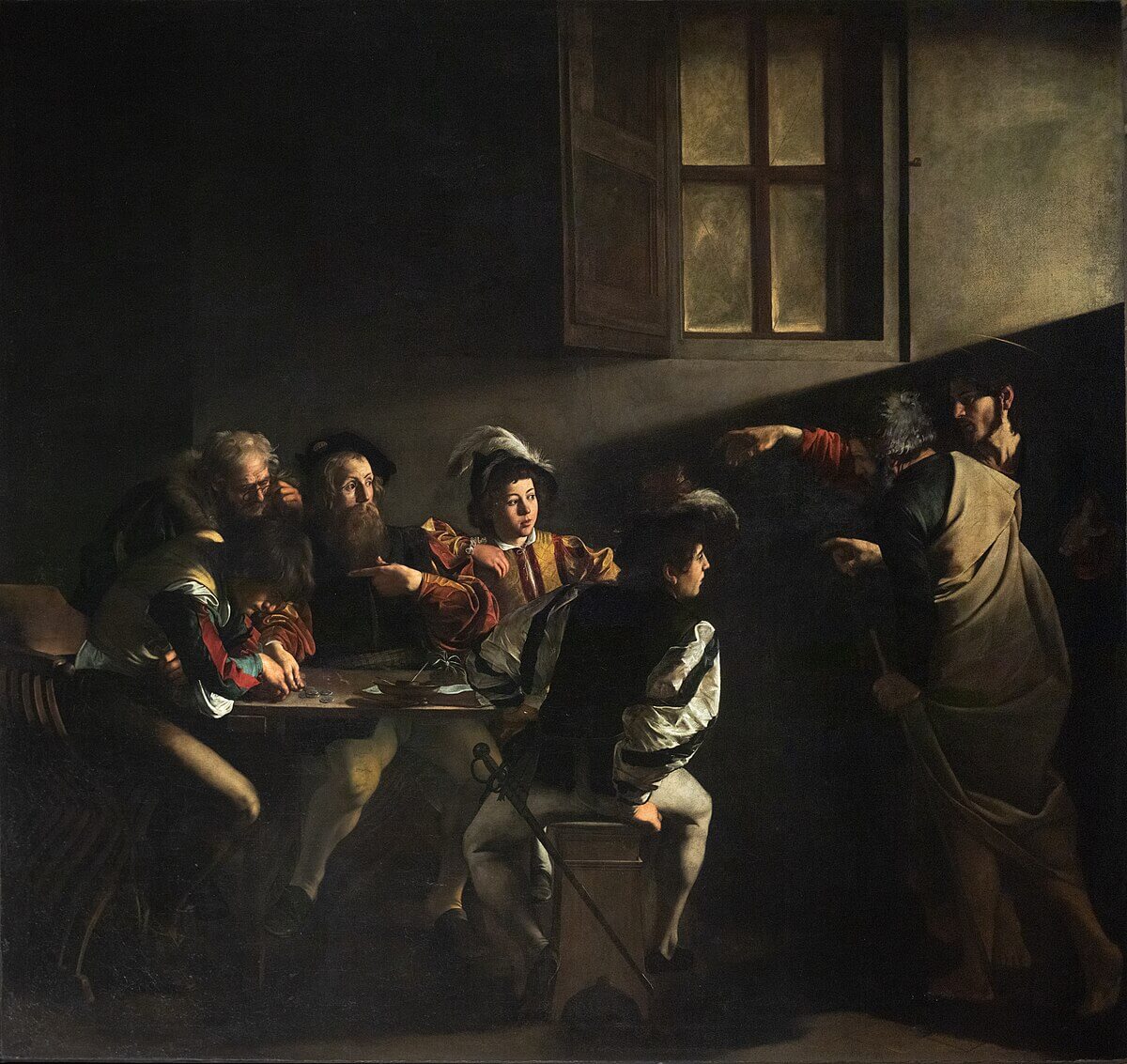
Light as Drama: Through chiaroscuro and tenebrism, painters like Caravaggio created sacred scenes illuminated as if by divine spotlight.
Movement and Tension: Swirling clouds, twisting bodies, and diagonal lines imbued paintings and sculptures with a sense of motion.
Emotional Power: Unlike the serene calm of Renaissance Madonnas, Baroque figures weep, struggle, and rejoice with visceral intensity.
Ornamentation and Grandeur: Gold leaf, carved marble, and architectural flourishes transformed churches and palaces into immersive spectacles.
Realism: Despite the embellishment, human expressions were rendered with startling naturalism, reminding viewers that divine experiences unfolded within human flesh.
***
Themes of a Theatrical Age
1. Religion as Drama: Biblical narratives came alive with heightened emotion, often capturing moments of revelation or martyrdom.
2. Myth and Power: Rubens’ vast canvases celebrated both ancient gods and contemporary monarchs with the same heroic grandeur.
3. Portraiture: Kings, nobles, and even ordinary citizens commissioned portraits that conveyed both likeness and status.
4. Still Life and Landscapes: In Protestant regions, where religious imagery waned, artists painted flowers, fruits, and vanitas symbols that reflected wealth, mortality, and the fleeting nature of existence.
***
Masters of the Baroque Stage
Caravaggio (Italy): The maverick painter who shocked Rome with his raw realism and shadows that seemed to bleed into eternity (The Calling of Saint Matthew).
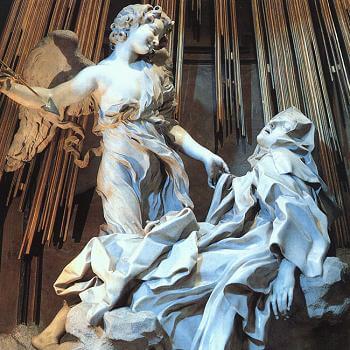
Bernini (Italy): Sculptor, architect, and showman, who transformed marble into living flesh and divine ecstasy (The Ecstasy of Saint Teresa).
Peter Paul Rubens (Flanders): Painter of vitality and sensuality, blending muscular forms with luminous colour (The Descent from the Cross).
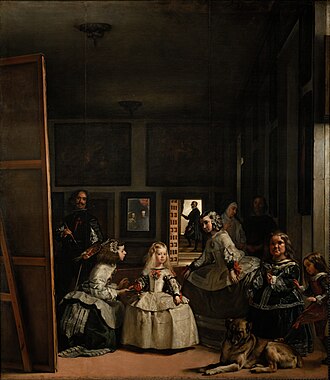
Diego Velázquez (Spain): Court painter to Philip IV, whose masterpiece Las Meninas remains one of art history’s greatest enigmas.
Rembrandt (Netherlands): A master of psychological depth, his Night Watch and countless self-portraits captured light as a metaphor for truth.
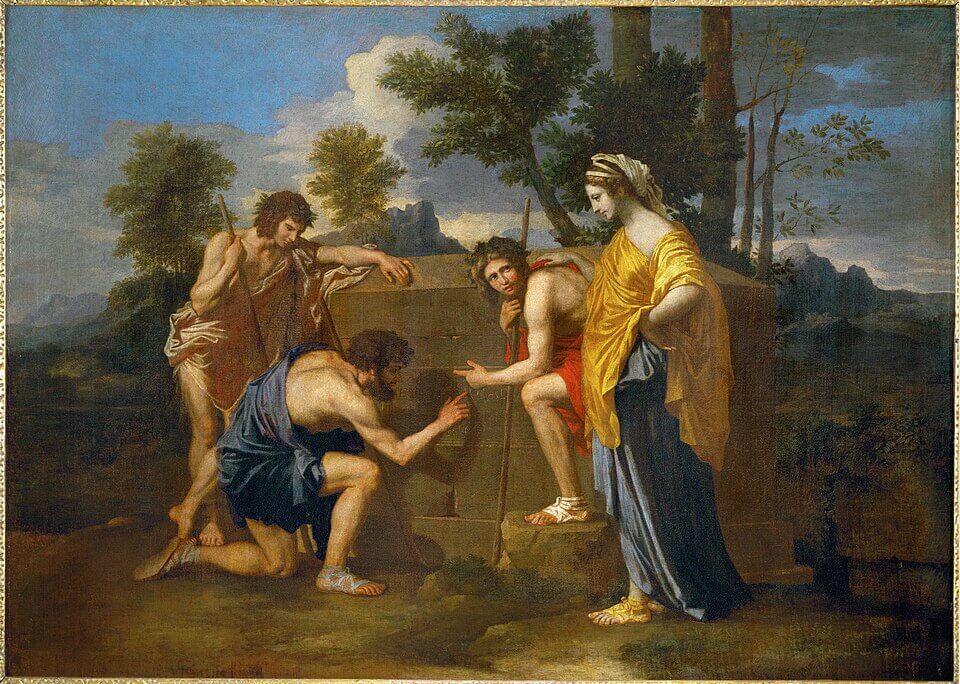
Nicolas Poussin (France): A more restrained Baroque painter, blending theatricality with classical order (Et in Arcadia Ego).
Baroque Architecture and Sculpture: The Stage Itself
Baroque was not confined to canvas. It enveloped entire spaces:
Architecture: Sweeping staircases, colossal domes, and ornate façades embodied divine power. St. Peter’s Basilica in Rome and the Palace of Versailles in France remain proof of this grandeur.
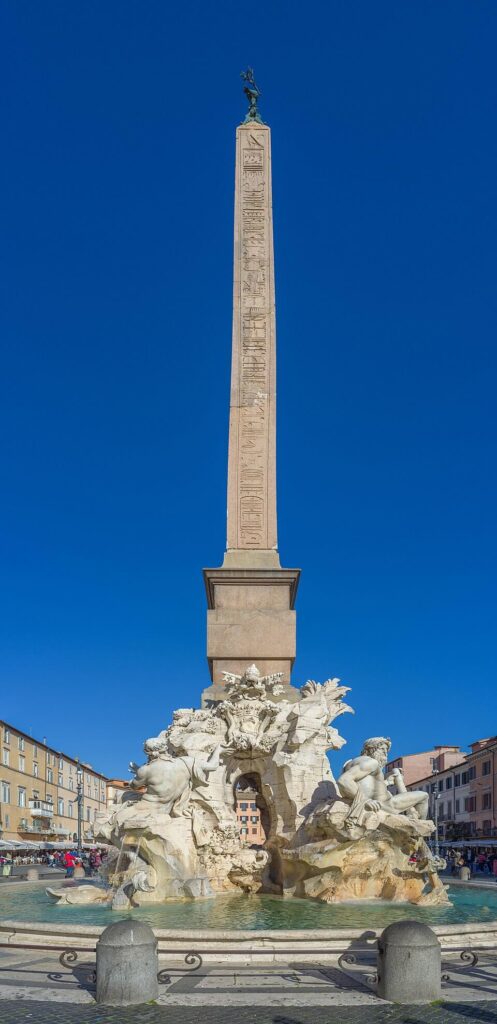
Sculpture: Bernini’s Apollo and Daphne freezes the instant of transformation, while fountains like the Fontana dei Quattro Fiumi animate city squares with theatrical vitality.
***
Beyond Europe: The Baroque in India
Though India was never a Baroque heartland, the style arrived through colonial and cultural currents.
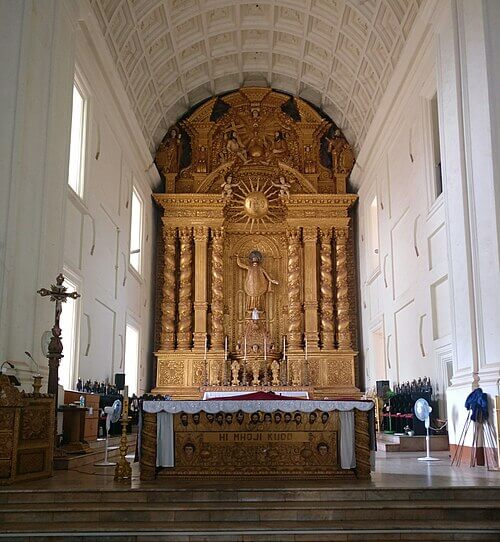
Goa and Portuguese Influence: The Basilica of Bom Jesus, housing the relics of St. Francis Xavier, exemplifies Baroque architecture with gilded altars and elaborate carvings. Jesuit missionaries introduced Baroque art as a spiritual tool, aligning with the Counter-Reformation.
Fusion with Indian Traditions: Local artisans infused Baroque with Indian motifs – floral carvings, intricate woodwork, and regional aesthetics. This blend created a unique Indo-Portuguese artistic identity.
Mughal Encounters: During Jahangir’s reign, European prints and paintings (often Baroque in sensibility) reached the Mughal court. Techniques like chiaroscuro and perspective subtly entered the Indian miniature tradition.
Decorative Arts and Trade: Indo-Portuguese furniture, textiles, and metalwork blended European ornamentation with Indian craftsmanship, reflecting the global exchanges of the Baroque age.
Thus, while India did not embrace Baroque as a movement, it absorbed and transformed its elements into localised expressions of beauty and devotion.
***
Baroque vs. Renaissance: Harmony and Excess
If Renaissance art was a balanced symphony, Baroque was a thunderous opera. Renaissance artists sought calm clarity, while Baroque masters revelled in spectacle, layering emotion and theatricality over classical foundations.
***
Legacy: The Baroque Spirit Lives On
Baroque’s influence lingered long after the 18th century. It gave birth to Rococo’s playful elegance and continued to inspire Romantic and modern sensibilities. Even cinema owes much to the Baroque! Think of the dramatic lighting in film noir or the grand set designs of epic movies.
***
Endnote:
Above all, Baroque reminds us of art’s power not just to depict but to move – to turn stone into sighs, paint into revelation, and architecture into a divine stage.
In essence, Baroque art is not merely a style but an experience – a dialogue between grandeur and intimacy. It is art at its most theatrical, reaching not just the eyes but the very soul.
Visuals sourced by the author from the Internet

Born in the breathtakingly beautiful vale of Kashmir, Monika had her schooling there. A postgraduate in Business Management, an academician by profession, she is an art history enthusiast, writes poetry, short stories and paints. An avid reader, mostly biographies and autobiographies. Giving wings to her imagination through beautiful colours and words, she sings and has a following on YouTube.


 By
By
 By
By
 By
By