
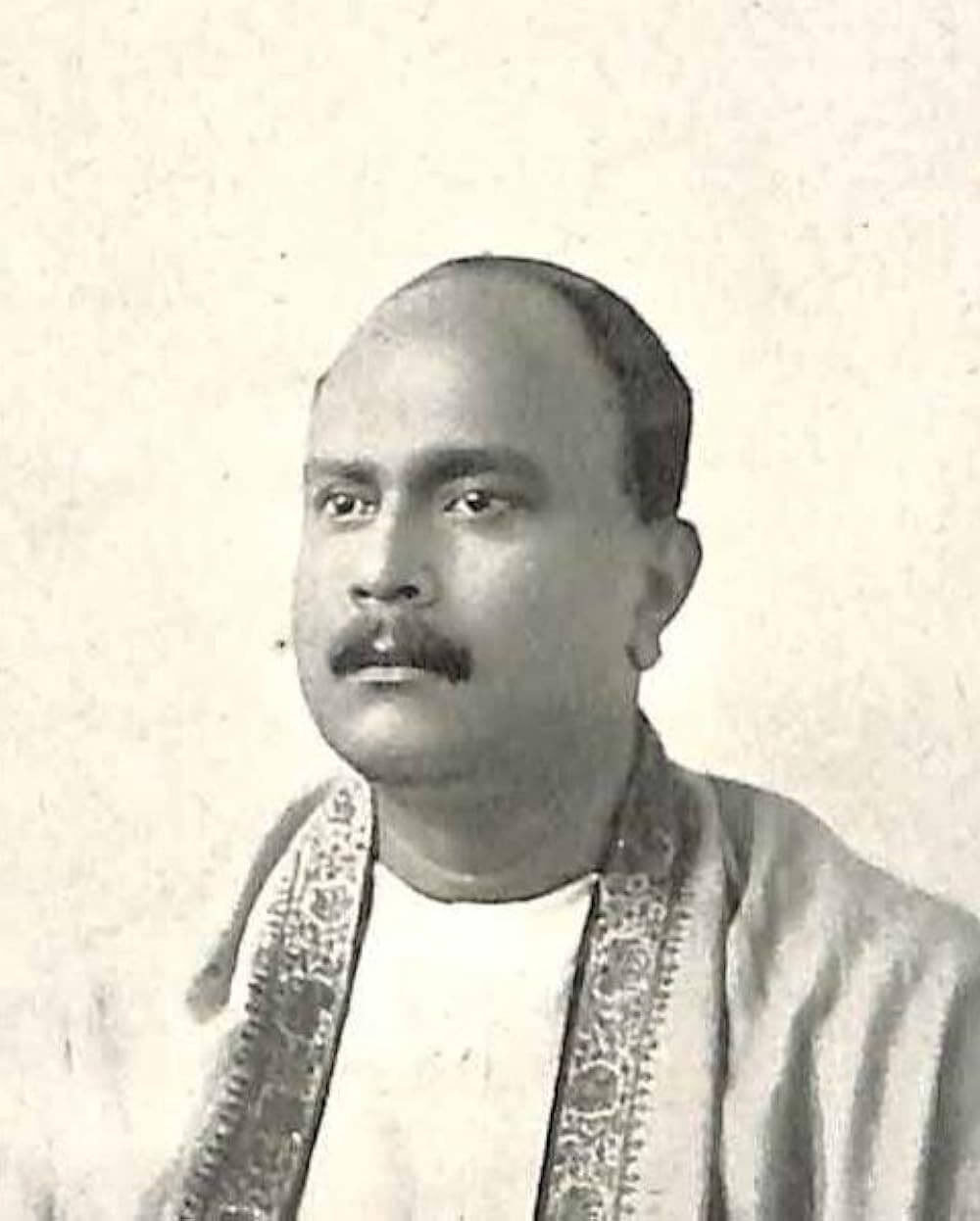
Rita profiles Atul Prasad Sen, a genius who transformed Bengali music with immortal songs of love, devotion, and patriotism, exclusively for Different Truths.
Atul Prasad Sen (1871-1934) stands as a towering figure in Bengali music and literature, a multifaceted genius whose contributions continue to resonate through generations.
More than just a composer and lyricist, he was a distinguished lawyer, a compassionate philanthropist, and a dedicated social worker, embodying a rare blend of artistic sensibility and civic responsibility. His legacy is etched in the hearts of Bengalis through his immortal songs, collectively known as “Atulprasader Gaan”, which delve into the profound depths of human experience, encompassing patriotism, devotion, and love.
Early Life and the Stirrings of Creativity
Born on 20th October 1871 in Dhaka, then part of British India, Atul Prasad’s early life was marked by both privilege and personal tragedy. Losing his father at a young age, he was largely raised in the cultured household of his maternal grandfather, Kalinarayan Gupta, a prominent Brahmo Samaj reformer and a gifted singer and lyricist of devotional songs. It was within this environment that young Atul Prasad imbibed his initial musical and literary influences, fostering a deep appreciation for the arts.
He pursued higher education, studying at Presidency College in Kolkata before embarking on a journey to London to read law. It was in London that he qualified as a barrister, returning to India in 1894. His legal career saw him practice in Kolkata and Rangpur before he ultimately settled in Lucknow, a city that profoundly shaped his musical trajectory.
Lucknow, a historical hub of North Indian classical music, provided him with fertile ground for musical exploration and experimentation. He immersed himself in the city’s rich musical tradition, attending soirées and interacting with renowned maestros, which significantly influenced his unique style.
A Pioneer of Modern Bengali Music
Atul Prasad Sen’s most significant contribution lies in his innovative approach to Bengali music. At a time when Rabindranath Tagore’s influence was pervasive, Atul Prasad carved out a distinct literary and musical style. He was a pioneer in adapting Hindustani classical forms to Bengali songs, notably introducing the Thumri style, originally a creation of Nawab Wajed Ali Shah of Lucknow, into the Bengali musical lexicon. He skillfully blended the nuanced expressions of Thumri, Kheyal, and Dadra with Bengali lyrics, enriching the emotional and melodic landscape of the genre.
Beyond classical adaptations, Atul Prasad was instrumental in pioneering the Ghazal in Bengali. While the Ghazal form, with its poetic couplets and melancholic themes, was deeply rooted in Urdu and Persian, Atul Prasad’s experiments brought this exquisite style to Bengali music. Though he composed a relatively small number of Ghazals, perhaps six or seven, his efforts laid the groundwork for future Bengali composers, most notably Kazi Nazrul Islam, to further develop and popularise the form. His ability to internalise the North Indian classical rendition style, honed during his decades in Lucknow, allowed him to seamlessly integrate these influences without sacrificing the intrinsic charm and measure of Bengali tunes.
Themes That Resonated: Patriotism, Devotion, and Love
The enduring appeal of Atul Prasad Sen’s songs stems from their profound lyrical content and the emotional honesty they convey. His compositions broadly fall into three categories, each reflecting a distinct facet of human experience.
Patriotic Songs: Living through the fervent nationalist movement in colonial India, Atul Prasad was a staunch supporter of the Indian National Congress and a close associate of figures like Gopal Krishna Gokhale. His patriotic songs served as a powerful call to awakening, instilling a sense of national pride and unity. Songs like “Moder Garab, Moder Asha, A Mari Bangla Bhasa” (Our pride, our hope, O, my Bengali language) became anthems of Bengali identity and inspiration, even playing a significant role in later movements such as the Language Movement and the Bangladesh Liberation War. These compositions beautifully articulated the love for one’s motherland and the aspirations for freedom.
Devotional Songs: Deeply spiritual, Atul Prasad was a follower of the Brahmo faith, a reformist movement founded by Raja Ram Mohan Roy. Many of his songs are expressions of profound devotion, not only to Brahmo principles but also encompassing themes from Vaishnavism, Shaivism, and Shaktism. He seamlessly incorporated traditional Bengali folk tunes like Kirtan, Baul, and Bhatiyali into his devotional compositions, making them accessible and resonant with a wider audience. Songs like “Hari Hey Tumi Amar” or “Murali Kande Radhe Radhe Bole” exemplify his spiritual depth and melodic genius.
Love Songs: Perhaps the most poignant aspect of Atul Prasad’s oeuvre is his collection of love songs. His personal life, marked by considerable emotional struggles and a challenging marriage, imbued his lyrics with a profound sense of pathos and longing. Many of his love songs carry an undercurrent of sadness, reflecting the universal themes of separation, unfulfilled desire, and the bittersweet nature of human relationships. Though he did not explicitly categorise his songs, many compositions, such as “Bondhuya Nid Nahi Ankhipate” or “Ke Abar Bajay Banshi”, are rich with multi-layered emotional sentiments that eloquently speak of love, yearning, and the shadows of a melancholic heart. His ability to translate personal sorrow into universal expressions of emotion made his love songs deeply relatable and enduring.
A Legacy of Pathos and Innovation
Atul Prasad Sen’s body of work, though comprising around 200 songs, exerted a disproportionately significant influence on Bengali music. His songs are characterised by a unique blend of Hindustani classical sophistication and the inherent lyrical beauty of Bengali poetry. He enriched Bengali songs through his relentless experimentation with lyrics, tunes, measure, and, most notably, the infusion of a distinct pathos. This wistful and often melancholic quality, born from his life’s experiences, became a hallmark of his compositions, setting them apart from his contemporaries.
His influence extended to subsequent generations of musicians, inspiring artists like Kazi Nazrul Islam and shaping the trajectory of raga-based modern Bengali songs. Atul Prasad Sen was not merely a composer; he was a bridge between tradition and innovation, a visionary who broadened the horizons of Bengali music, leaving behind a timeless treasury of melodies and lyrics that continue to move and inspire. He passed away in Lucknow on 26th August 1934, but his musical soul lives on, a testament to his profound artistry and enduring spirit.
Feature picture from IMDb

Born in Shillong, Rita Biswas Pandey’s diverse career spans education and corporate life. A North Eastern Hill University graduate, she holds multiple certifications in social welfare and computer studies. Retiring from UPS to pursue her passion, now a Delhi resident, is a published author (Tinkonya, Yuddha and Kabita somogro ). She also enjoys singing, poetry recitation,sketches, cooking, photography, Blogging and vlogging, sharing her life with her husband, Vinod, and their beloved pet, Titu.



 By
By
 By
By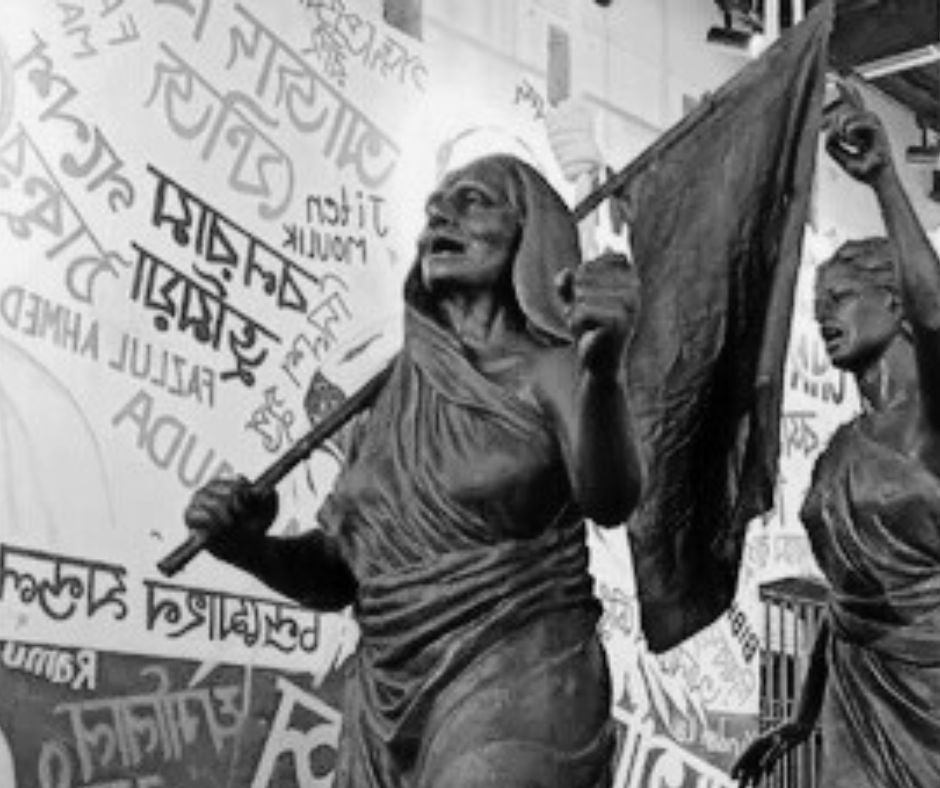
 By
By