In Canada’s minus 40°C winters, Mowmita explores mental health battles against isolation, crime, and personality disorders in DifferentTruths.com.

AI Summary
- Canada’s extreme winters exacerbate mental health crises like SAD and personality disorders, with programs like CMHA and Bell Let’s Talk fostering resilience amid isolation and inequity.
- Exploitation by separatists and crime networks turns vulnerability into violence, while films like Drylanders depict frost’s toll on body and spirit.
- Treatment gaps, racism, and climate stress demand empathetic, climate-responsive policies for holistic healing.
When temperatures fall to –40°C, mental health programs are implemented to address isolation, frustration, and seasonal illness. During Canadian winters, when extreme frost undermines fortitude and deepens despair, mental health organisations work to foster warmth and healing. However, these efforts are challenged by the emergence of exploitation and unrest. Separatist factions and organised crime groups operating from abroad have found refuge, causing social instability and even targeting public figures. These networks exploit psychological vulnerability, transforming frustration and despair into violence. The struggle goes beyond the challenges of cold and depression to include combating forces that capitalise on vulnerability, turning survival into a contest between fortitude and anger.
Several movies like Drylanders, Project Cold Days, and Blue Winter capture how survival in this country became an unremitting ordeal—bodies shattered by merciless frost, minds tormented by winters that appeared endless, and spirits eroded under the crushing silence of cold. They reveal a region where the climate itself crippled human strength, while waves of unrest and hidden movements formed deeper wounds, eating away at tenuous peace and leaving people restless, fractured, and scarred far beyond the reach of winter’s chill.
Key Movements & Programs
CMHA– Campaigns on Seasonal Affective Disorder (SAD), promoting light therapy, outdoor activity, and social connection.
- NAMI (National Alliance on Mental Illness) – Peer support networks and family advocacy, assisting communities to endure long, dark winters.
- Bell Let’s Talk – National awareness campaign funding local projects, including winter wellness centres and local support hubs.
- First Nations Mental Wellness Continuum Framework – Indigenous-led approach uniting traditional healing, land connection, and cultural resilience versus seasonal isolation.
- Inuit Tapiriit Kanatami (ITK) – Advocates for culturally safe mental health strategies in northern regions where cold and darkness dominate.
Why These Matter
- Isolation: Bitter cold limits outdoor life, heightening loneliness.
- Health strain: Extreme climates weaken immunity and psychological strength.
- Cultural adaptation: Festivals, indoor gatherings, and shared rituals act as psychological buffers against the frost.
North America is characterised by weather extremes. In Canada, severe winds, heavy snowfall, and pervasive ice significantly interrupt daily life. These severe conditions parallel the psychological challenges encountered by individuals with personality disorders. As one clinician in Winnipeg noted, “When the cold presses in for months, isolation becomes more than physical—it becomes emotional.” Such conditions can worsen psychological vulnerability, highlighting that the climate crisis is not only altering physical environments but also intensifying mental health challenges.
Beyond Stereotypes
Personality disorders are frequently misunderstood and oversimplified as manifestations of cruelty or manipulation. In reality, these conditions are complex. Narcissistic Personality Disorder, for example, is based on a fragile self-concept, and antagonistic behaviours may reflect attempts to protect a vulnerable ego rather than simple malice. Similarly, the anger or jealousy observed in Borderline Personality Disorder frequently arises from intense feelings of abandonment.
As one therapist explained, “What looks like hostility is often terror. What looks like manipulation is often desperation.” These behaviours function as survival strategies shaped by considerable psychological trauma. Dismissing them as mere flaws overlooks the underlying humanity and intricacy of these struggles.
Treatment and its Gaps
Psychotherapy is widely regarded as the most effective intervention for personality disorders. Dialectical Behaviour Therapy is especially helpful for individuals with Borderline Personality Disorder, as it focuses on affective regulation and interpersonal skills. Schema Therapy and Cognitive Behavioural Therapy assist those with Narcissistic Personality Disorder in challenging maladaptive beliefs and supporting empathy. While medication may alleviate co-occurring symptoms such as depression or anxiety, it does not directly address the core characteristics of personality disorders.
Community support, family therapy, and psychoeducation constitute essential components of effective treatment. However, access to these resources remains inconsistent. As one participant in a Montreal support group stated, “We wait months for therapy. By the time our name comes up, the crisis has already passed—or destroyed something.”
Although universal healthcare delivers broader coverage, extended service delays and major barriers persist, particularly for rural and Indigenous communities. Consequently, the system remains fragmented, and many individuals do not receive adequate care.
Winter Stress as a Mental Health Emergency
Extreme cold and extended winters are increasingly associated with higher rates of psychiatric emergencies. Hospitals have reported increased admissions during severe storms, as coping mechanisms deteriorate under the pressures of displacement, isolation, and chronic stress.
For individuals with personality disorders, whose affective regulation is already precarious, winter magnifies feelings of helplessness and fear. A nurse in Saskatchewan recalled, “During the blizzards, we saw patients who had been stable for years suddenly unravel. The snow wasn’t just outside—it was inside their minds.”
One young man in northern Ontario described the toll of isolation: “The roads were closed for days. I couldn’t see anyone. On the third night, I felt like the hush was eating me alive.”
Another woman in Nova Scotia spoke of the darkness: “It’s not simply the cold. It’s the months without sunlight. You start to forget what warmth feels like, and that does something to your spirit.”
The climate crisis constitutes not only an ecological challenge but also a major mental health emergency.
Racism and social inequities worsen these challenges. Disadvantaged groups experience higher rates of mental illness, due not only to discrimination in healthcare but also to institutional disparities that increase exposure to chronic stress.
Indigenous peoples experience compounded trauma resulting from historical injustice, institutional neglect, and environmental degradation of ancestral lands. Immigrants regularly encounter cultural dislocation in addition to the isolating effects of cold climates. Racial minorities face discrimination that intensifies psychological distress.
As one community organiser in Toronto put it, “Winter doesn’t hit everyone equally. It hits hardest where the ground was already shaky.”
Policy responses to these issues remain fragmented. While combining mental health services into primary care has improved access within certain regions, rural areas continue to be underserved. Although universal healthcare delivers broader coverage, challenges related to accessibility and cultural responsiveness persist.
There is a need for climate-responsive mental health care, anti-racism initiatives within medical systems, and expanded access to long-term therapy in both countries. Community outreach efforts are key for shifting perceptions from simplistic characterisations to a more subtle understanding of individuals living with complex mental health conditions.
A psychiatrist in Vancouver emphasised, “We cannot separate the mind from the environment. To treat personality disorders without addressing winter stress and inequity is to treat only half the wound.”
The Cultural Challenge
The challenge goes beyond clinical considerations to encompass social elements. Personality disorders are frequently stigmatised and dismissed as character flaws rather than recognised as conditions based on psychological distress. Harsh winters and institutional inequalities further intensify this stigma, increasing both the urgency plus complexity of effective treatment.
Progress requires compassion, policy innovation, and holistic approaches to care. By moving beyond stereotypes and accepting the humanity of those affected, society can respond to increasing mental health challenges with empathy and effective action as opposed to fear or dismissal.
As one patient reflected, “I’m not cruel. I’m scared. I’m not manipulative. I’m drowning. If people saw that, maybe they’d stop calling me broken.”
Resilience Amid Crisis
The narrative of mental health in North America is fundamentally one of fortitude. Individuals traverse fragile self-concepts within societies that frequently misunderstand them. Communities endure harsh winters and institutional inequities, yet continue to develop support mechanisms. Policymakers confront the ongoing difficulty of adapting care systems to developing circumstances.
Additionally, wider cultural perspectives are gradually shifting to recognise mental illness not as a sign of frailty or malice, but as an integral aspect of the human condition.
A social worker in Manitoba summed it up: “Resilience isn’t about never breaking. It’s about finding ways to mend, even while the world keeps cracking around you.”
North America currently faces a crucial point. The climate crisis is transforming both physical landscapes and mental health. Personality disorders, already associated with significant distress and misunderstanding, are additionally worsened by environmental stressors and institutional disparities.
This challenge is not exclusively medical but also moral. Responding with empathy, resilience, and justice affirms the humanity of those affected. Investing in care, dismantling stigma, and developing climate-responsive systems constitute essential steps toward preparing for a future in which both environmental and societal and psychological crises can be addressed effectively.
Mental health in North America encompasses more than survival; it involves dignity, compassion, and the ability for individuals to thrive even under adverse conditions. Meeting this challenge would ensure that the continent’s climate extremes reflect fortitude rather than despair.
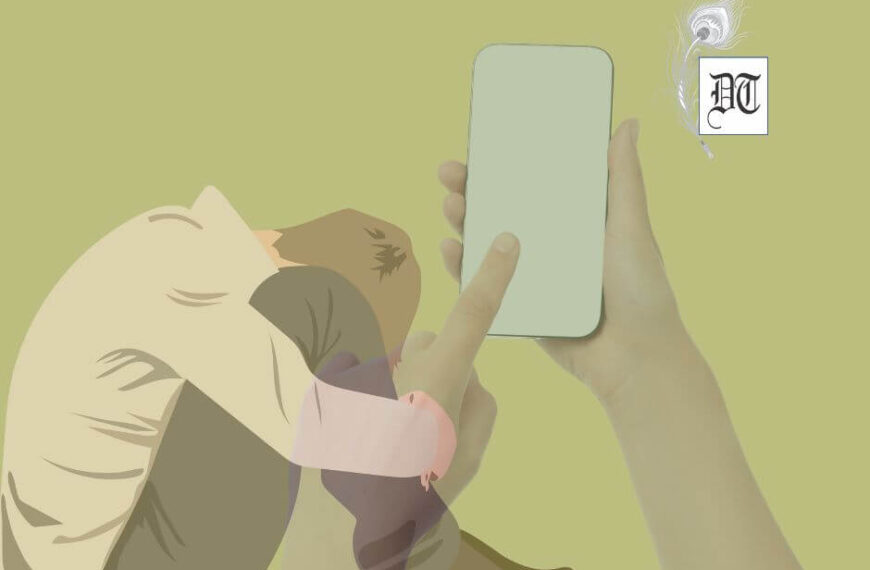
Picture design by Anumita Roy

Mowmita Sur is an educationist, author, poet, and content writer. She has received many accolades for her writings at both the national and international levels. She was awarded as one of the best 50 poets of India. Many of her published book gets effusive praise and good reviews. Her books are captivating, incredibly well-researched and evoke strong emotions. She writes witty fiction, non-fiction, horror and mysteries. Her characters are clever and fearless like her.


 By
By
 By
By