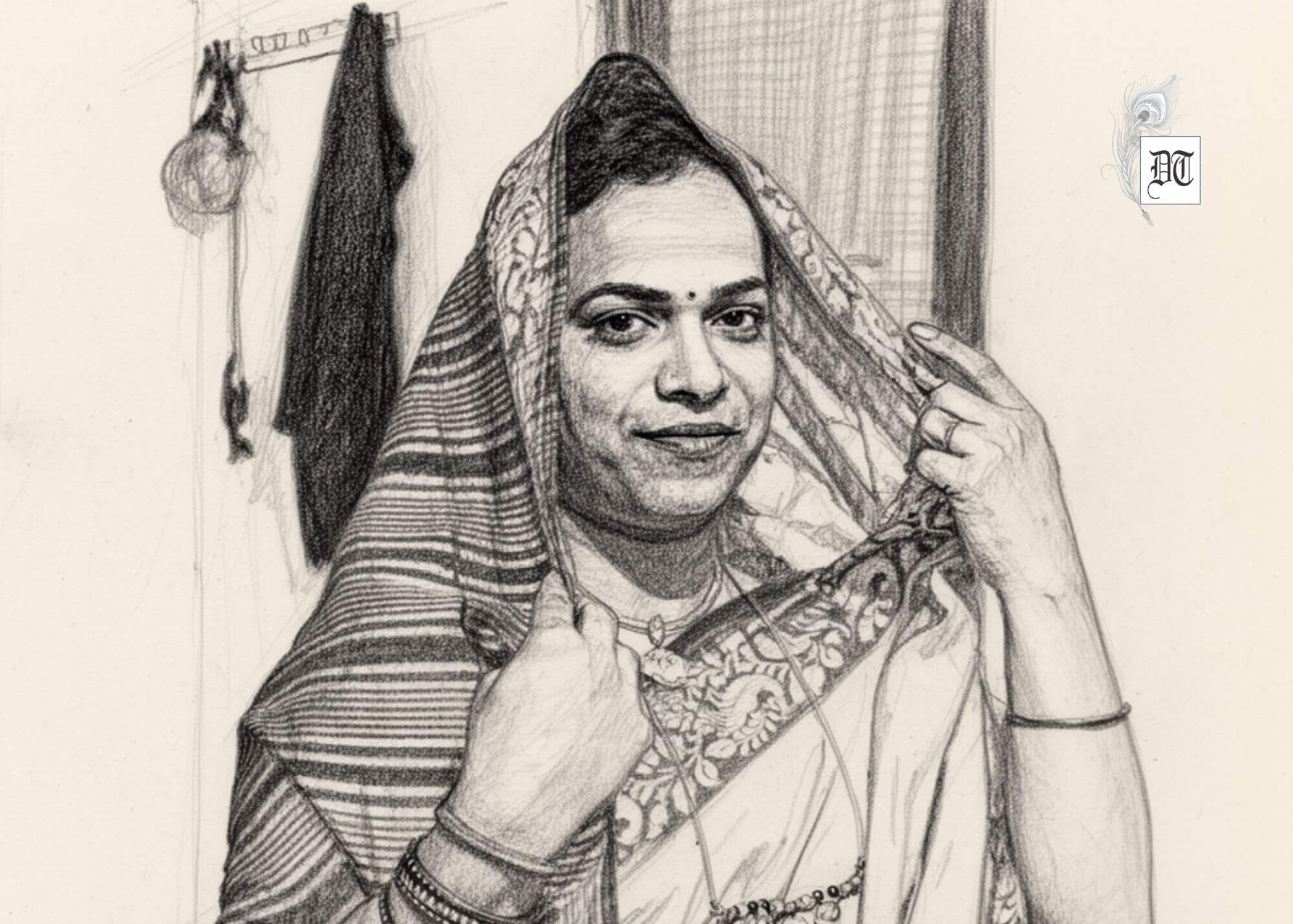
Dr Madhumita explores the 2026 Transgender Amendment Bill, analysing the critical tension between legal frameworks and individual identity in DifferentTruths.com.
AI Summary
- Legislative Shift: The 2026 Amendment moves away from self-identification, mandating medical board verification for legal gender recognition.
- Critical Tension: Scholars argue this prioritises bureaucratic regulation over personal autonomy, contradicting the landmark 2014 NALSA judgement.
- Cultural Context: While the Bill increases penalties for violence, critics fear that narrowed definitions overlook the diverse spectrum of transgender experiences.
In recent years, questions of gender identity and legal recognition have become central to discussions about human rights and social justice in India. The introduction of the Transgender Persons (Protection of Rights) Amendment Bill, 2026, has once again brought the issue of transgender identity into public discourse. For scholars of literature and social sciences, this debate is not only about legal reform but also about the deeper cultural and ideological frameworks that shape how society understands gender, identity, and dignity.
The historical context of transgender rights in India is closely connected with the landmark NALSA vs. Union of India (2014) judgement. In this decision, the Supreme Court recognised transgender persons as the “third gender” and affirmed the right of individuals to determine their own gender identity. The judgement was widely celebrated as a progressive step toward acknowledging the lived realities of gender diversity in India. By emphasising self-identification, the Court recognised that gender identity is a deeply personal and subjective experience that cannot be defined solely through biological or medical frameworks.
Following this judicial milestone, the Indian Parliament enacted the Transgender Persons (Protection of Rights) Act, 2019. The Act aimed to protect transgender individuals from discrimination in areas such as education, employment, healthcare, and housing. It also sought to provide legal recognition and welfare measures for the community. Although the 2019 law itself was criticised by some activists for bureaucratic hurdles, it nevertheless represented an attempt to institutionalise protections for a historically marginalised group.
The 2026 amendment, however, has generated renewed controversy. One of the most debated provisions of the amendment is the removal of the principle of self-identification. Under the revised framework, individuals seeking recognition as transgender must obtain certification through medical verification by a medical board, after which the district magistrate may issue an official identity certificate. Supporters of the amendment argue that such procedures help create a standardised legal mechanism for identity recognition. Yet critics view this provision as a significant departure from the spirit of the NALSA judgement.
From a critical perspective, the requirement of medical certification raises fundamental questions about authority and identity. When identity must be validated by medical or administrative institutions, the individual’s own perception of self becomes secondary. Scholars of gender studies often argue that identity cannot be reduced to biological categories alone; it is shaped by social experiences, cultural narratives, and personal agency. In this sense, the amendment reflects an ongoing tension between bureaucratic regulation and individual autonomy.
Another contentious aspect of the amendment concerns the definition of transgender identity. Reports suggest that the revised framework may prioritise recognition primarily for intersex individuals and traditional socio-cultural communities such as Hijras and Kinnars. While these communities have historically occupied a recognised space within South Asian cultural traditions, contemporary understandings of gender diversity extend beyond these categories. Many individuals identify as trans men, trans women, or non-binary persons, whose experiences may not align with traditional classifications.
For scholars of literature, this debate resonates with broader questions about representation and narrative authority. Literature has long served as a space where marginalised voices articulate their experiences and challenge dominant social norms. In Indian literary traditions—both classical and contemporary—stories of gender fluidity, transformation, and non-conformity appear in various forms. Mythological narratives, folk traditions, and modern queer literature all illustrate that gender diversity is neither new nor alien to the cultural landscape.
However, the institutional recognition of such identities often lags behind cultural expression. The controversy surrounding the amendment reveals how legal frameworks sometimes struggle to accommodate the complexities of lived identities. By narrowing definitions or imposing medical verification, the law risks overlooking the multiplicity of experiences that constitute transgender existence.
At the same time, the amendment introduces stronger punishments for crimes against transgender persons, including fines and imprisonment for acts of violence and abuse. This provision represents an important step toward addressing the discrimination and harassment that transgender individuals frequently face. Yet legal protection alone cannot resolve the deeper social stigmas that continue to marginalise the community.
The current debate, therefore, highlights a crucial intersection between law, culture, and identity politics. While legal recognition is essential for ensuring rights and access to resources, it must also respect the autonomy and dignity of individuals. For researchers and scholars, the issue invites a broader reflection on how societies construct categories of belonging and exclusion.
Picture design by Anumita Roy

Dr Madhumita Ojha, a Hindi literature scholar, specialises in folk literature, cultural studies, gender, and marginalised narratives. She earned an MA and PhD in Hindi from Presidency University, plus a BEd from Mahatma Gandhi International Hindi University, Wardha. Author of Folk Literature and Culture, she has published extensively on Kinnar narratives, LGBTQ representation, women’s studies, and Dalit literature. She serves as a guest lecturer at the Hindi University, Howrah, Kolkata.

 By
By
 By
By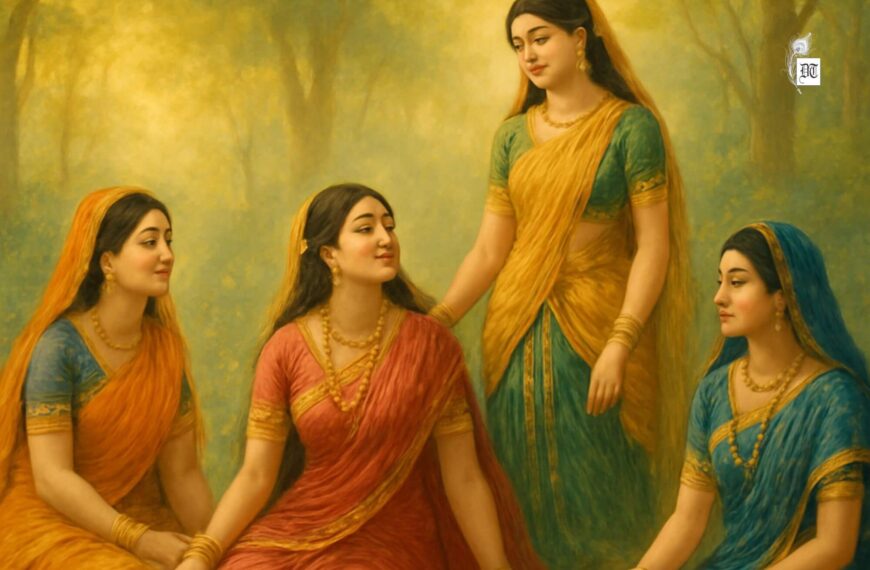
 By
By