Dhruvaditya explores the psychological cost of success and hidden trauma in this profound piece, exclusively featured on DifferentTruths.com today.
AI Summary
- Hidden Emotional Landscapes: The author examines how “controlled” individuals often mask deep-seated trauma, grief, and rage behind productivity.
- The Fragility of Success: Achieving glory often triggers a psychological “onslaught”, where suppressed memories resurface and fundamentally alter one’s personality.
- The Power of Imagination: Cultivating radical empathy and imagination is presented as the essential tool for societal understanding and healing.
There lies a story behind every person’s anger, their rage, behaviour, and, of course, sorrow. But along with these emotions, sometimes we forget to question the focused ones, the quiet and controlled ones. More often than not, we see them as perfections, pillars of society, but behind each such face, be it an aspiring student or an established celebrity, lies those same struggles, the very same emotions I listed before. Sorrow, grief, anger, and rage.
The difference? Instead of there being stories behind those emotions, those emotions are the stories behind their focus, control and strength. The stories behind those emotions are buried down or, if discussed, without attachment and sometimes even forgotten. Sometimes they’re seen as selfish, narcissistic or greedy, but it is not them driving anymore in the seat. Those times when they seem so wrong, that’s usually when they’re running on autopilot, their brain taking action based on memory, visages shrouded in newspapers and movies, and words listened to long ago.
Mental Pain
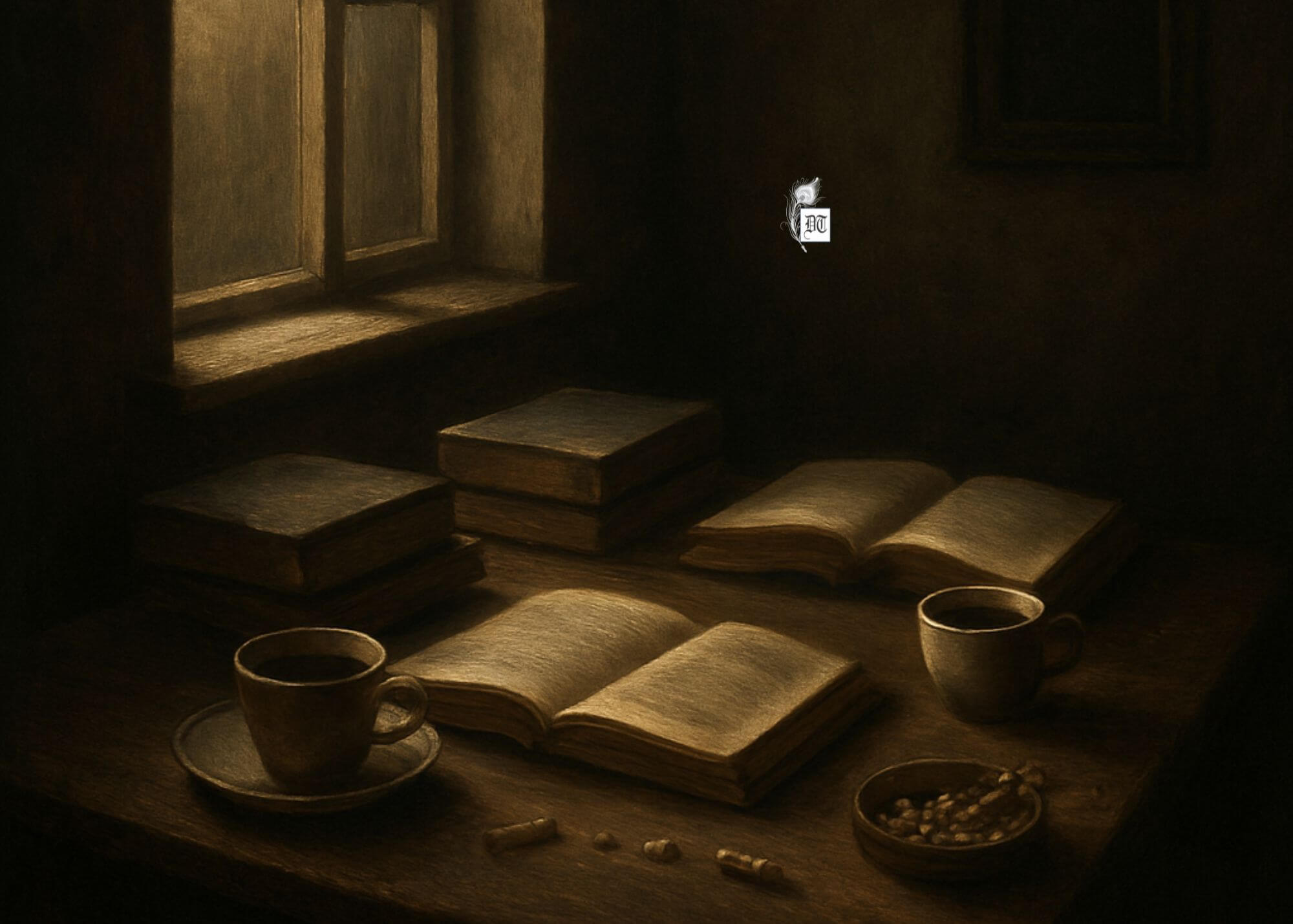
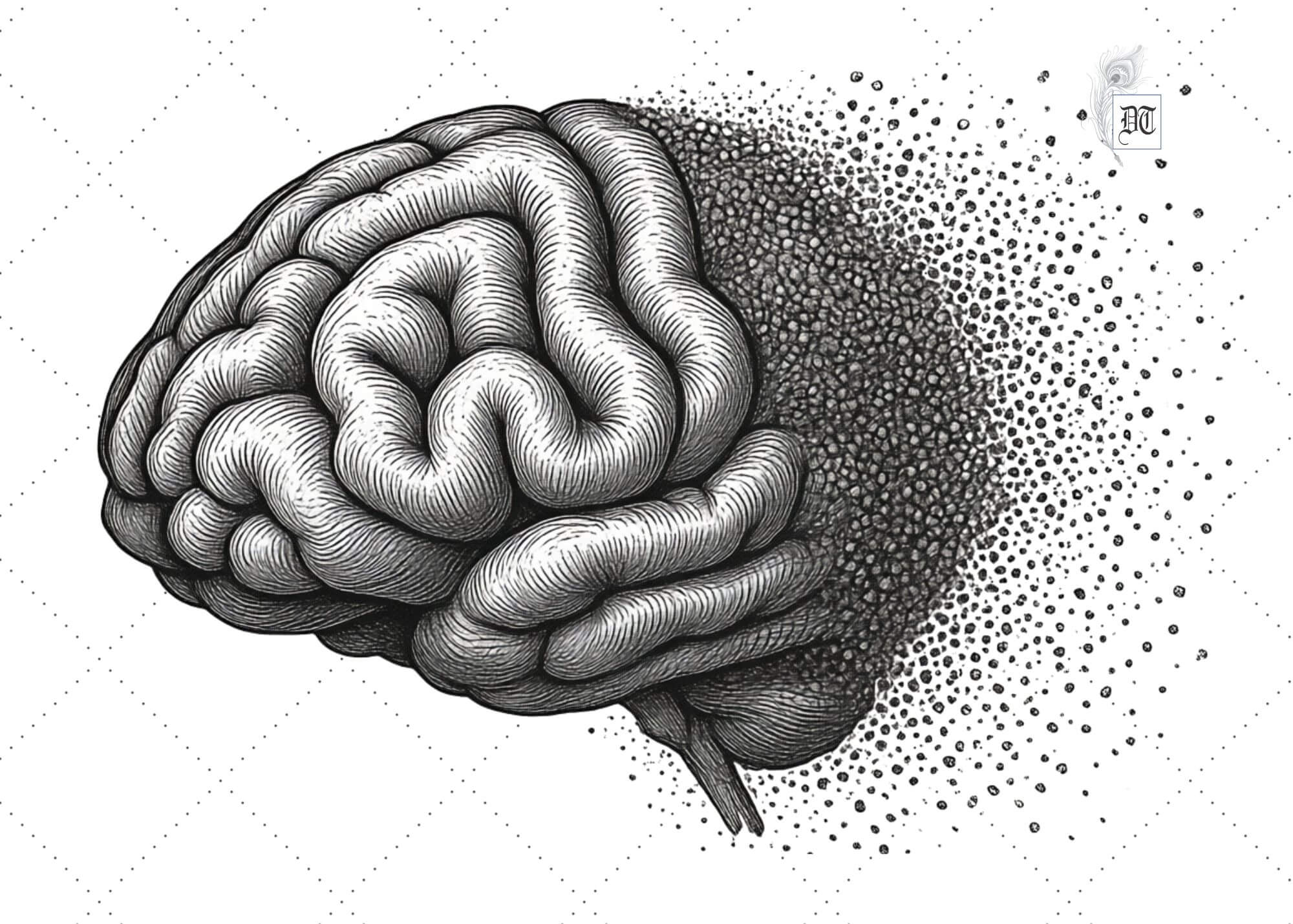
Actions they would’ve countered but couldn’t, because while they feel okay, deep down those stories that were buried, those memories of death, blood, and unforgiveness, and sometimes just a face that brought them mental pain through actions – those stories churn, unbridled, working tirelessly even while the body is asleep to break through those carefully constructed walls of focus. Often, when such aspiring, inspirational individuals are at their highest, focused on work, scoring well in life and allowing themselves the happiness of near success, that’s when they’re the most susceptible to these stories and their emotions breaking through.
Why? Well, because at those moments or phases of life, they truly leave those emotions behind their focus, being so focused on work and allowing themselves to truly believe life will be good and happier. The barrier suddenly vanishes, and those stories course through, memories upon memories, bringing with them an epistemology of loss so great that many minds break under the will of those moments. They change, completely, many key personality traits of theirs simply vanishing overnight, right before their moment. Whether they achieve it or not, the change stays.
Not the Whole Truth
This is also why we say “glory and power changed them”, but no, that is not the whole truth. The moment they realised their glory and power or achievement or true happiness, they also realised just how much is truly inside them, how fleeting it is. Thus, they chase for more, to be more; some even just to survive from the memory of that onslaught their mind unleashed upon them right when they thought they were free.
And of course, there are those we call humble, or quiet, or keeping to themselves; maybe they have not achieved that much, but harbour the potential to. No matter their age, they too went through that moment, and they too changed. Some were quiet before, even pristine, reading books and being the best of the best, but after that one moment, they changed. Their reading habit was gone; that addiction to books disappeared. Now they rage sometimes; should they speak or break down sometimes in quiet moments? Some even get pulled back, and not just because of themselves.
It is because of a lack of understanding that not everyone sees the pain behind everyone’s eyes, despite everyone going through similar intensities of it, even if the stories may differ.
Imagination
To understand, and even feel at that intensity, to truly connect and be happy, we as a society need to work on our imaginations. Now, I know, you’d be thinking, ‘Ok, what is this? Imagination? Like, what?” So let me explain. Before that, I ask you, dear reader, why is it that kids understand emotions despite not understanding stories or sometimes even words? Why is it that every person who is an empath, more often than not, is creative as well? True therapists, even in psychology or as a profession, lean on the mind, mental health, and more. Why is that? I know your answer might be different from mine, but perhaps you can understand mine as well. My answer is that it is because of imagination.
Our minds, in psychology, are defined as separate from our bodies, despite being deeply interconnected and within us ourselves. They harbour everything, from the day we were in the womb to the day we ascend to the skies. And as such, they have near-infinite or at least quite unfathomable space to think, store, imagine and feel. Through imagination, we can truly put ourselves in nearly every person’s situation or feel their feelings just by looking at the way they act, to “put ourselves in their shoes” as the saying goes. And while it may seem trivial or time-consuming to develop or do every time or every day, I truly ask you, would it be so bad to live in a world with understanding?
Impact of Misunderstandings
For everyone to at least try and understand the other person, and even if it’s not possible to completely do so, at least the trying itself lessens the impact of misunderstandings, arguments, crash-outs, or blame towards achievers as well as the ones who can achieve something but don’t and even towards you, reader, because everyone is special, and even you, I guarantee, have gone through such phases and misunderstandings, some that may hold you back to this day.
So, I ask you to imagine, to explore your depths as well as others’, and use that quiet mind and patience you once had. Channel that anger, that sorrow, but not just for work, but to understand and unravel the knotted strings within you that bring you so much pain and help others to do it as well. And remember, “Silence is a virtue which comes at a price.”
Imagine, dear reader.
Imagine.
Picture design by Anumita Roy

Dhruvaditya Tiwari aka Dhruva (15) is an avid reader and a passionate writer. He can weave stories with the same ease as he ponders upon scientific theories. He wrote his first novelette – The Hiding when he was just eight years of age and became one of the world’s youngest authors. He has a warm and philosophical personality, and has overcome many challenges of life in fifteen years. Now, he wishes to share his thoughts with the world by publishing some meaningful write-ups for the world to read and discuss. Simultaneously, he is working on another book.