

Dr Madhumita delves into Prof Nandini Sahu’s ‘Shedding the Metaphors’ on DifferentTruths.com, unpacking love, trauma, and patriarchal hypocrisy in a lesbian bond.

AI Summary:
- Explores Ragini and Suni’s tender same-sex love in a 1990s women’s hostel, rooted in mutual care amid family trauma and societal hypocrisy.
- Critiques patriarchy’s tolerance of marital violence while condemning women’s intimacy as “unnatural”.
- Ends in devastating expulsion, affirming emotional truth over institutional morality.
This article discusses a story from Shedding the Metaphors, a collection of short stories written by Prof Nandini Sahu, in which the author explores human relationships, gendered suffering, and the politics of social morality with remarkable emotional depth.
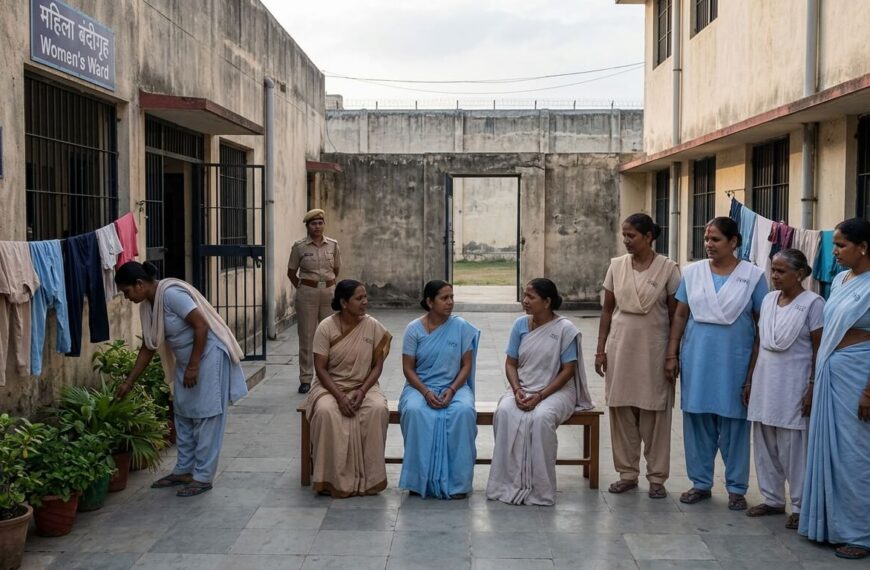
The story of Ragini and Suni is a deeply moving narrative of companionship, trauma, desire, and social punishment. Set in the women’s hostel of Berhampur University in the mid-1990s, the story portrays how two young women, coming from very different family backgrounds, find in each other not merely friendship but emotional shelter, care, and love. At the same time, the story exposes the hypocrisy of a society that tolerates violence within heterosexual relationships while condemning tenderness between two women as “unnatural”. In doing so, it becomes a powerful critique of patriarchy, compulsory heterosexuality, and institutional morality.
Ragini is presented as an intellectually serious and ambitious young woman whose life is shaped by material hardship and the painful example of her elder sister Shalini. Shalini’s marriage is not shown as a space of dignity or affection but as one of coercion, humiliation, and silent suffering. Through Ragini’s reflections on her sister’s life, the story questions the accepted social norm that marriage is always respectable and natural. The narrative repeatedly asks: if society can normalise marital violence, forced adjustment, and emotional death for women, then on what basis does it label another form of love as immoral? This question lies at the moral centre of the story.
Suni, on the other hand, belongs to an affluent family, yet her emotional life is marked by neglect, loneliness, and violation. Her parents are materially present but emotionally absent, and their marriage appears to be based on arrangement rather than intimacy. The most disturbing part of her life is the attempt to force her into a marriage alliance with Samant, a politically connected man whose sense of entitlement culminates in sexual violence. Through Suni’s story, the text reveals how patriarchy functions not only in poor or conservative households but also in wealthy and influential families. Female consent is ignored, and the woman’s body becomes a site of negotiation between fathers, power, and prestige.
What gives the story its emotional power is the gradual and organic development of the bond between Ragini and Suni. Their intimacy grows through everyday acts of care: storing water, saving food, ironing clothes, gardening together, sharing study space, and protecting each other from emotional disturbance. The story does not sensationalise same-sex love; rather, it roots it in tenderness, trust, and mutual recognition. Their emotional closeness emerges as a healing response to a world that has failed them both. Love here is not rebellion for its own sake; it is refuge, dignity, and rediscovery of the self.
The physical union between the two women is described in lyrical and natural imagery. Their intimacy is compared to rivers merging into the sea, to seasonal flowering, and to the rhythms of migration in nature. This poetic treatment is crucial because it dismantles the very idea that their love is aberrant. The story insists that what is natural is not what society authorises but what arises honestly from care, vulnerability, and shared humanity. In this sense, the text challenges rigid binaries of natural versus unnatural, moral versus immoral, and normal versus deviant.
Yet the social world around them remains unforgiving. Once their relationship is discovered, gossip quickly turns into judgement, and judgement into punishment. The hostel authorities respond not with understanding but with expulsion. The reaction reflects the violence of institutions that claim to defend morality while ignoring emotional truth. Their love is not debated, understood, or humanised; it is simply erased as contamination. The story, therefore, shows how social power operates through shame, exclusion, and silence.
The ending is especially haunting. Separated abruptly, both women are denied the right even to speak openly to each other. The white teddy bear gifted by Suni becomes a symbol of innocence, memory, and unfinished affection. The final image of Ragini in the train, surrounded by storm and silence, captures the devastation of a love that has not failed emotionally but has been crushed socially.
In conclusion, this story from Shedding the Metaphors is not only about lesbian love; it is about the politics of who gets to define morality, legitimacy, and nature. Prof Sahu uses the lives of Ragini and Suni to expose the cruelty of patriarchal judgment and to affirm the dignity of emotional truth. The story deserves serious academic attention because it compels readers to confront the gap between social respectability and genuine human compassion.
Picture design by Anumita Roy

Dr Madhumita Ojha, a Hindi literature scholar, specialises in folk literature, cultural studies, gender, and marginalised narratives. She earned an MA and PhD in Hindi from Presidency University, plus a BEd from Mahatma Gandhi International Hindi University, Wardha. Author of Folk Literature and Culture, she has published extensively on Kinnar narratives, LGBTQ representation, women’s studies, and Dalit literature. She serves as a guest lecturer at the Hindi University, Howrah, Kolkata.


 By
By
 By
By
 By
By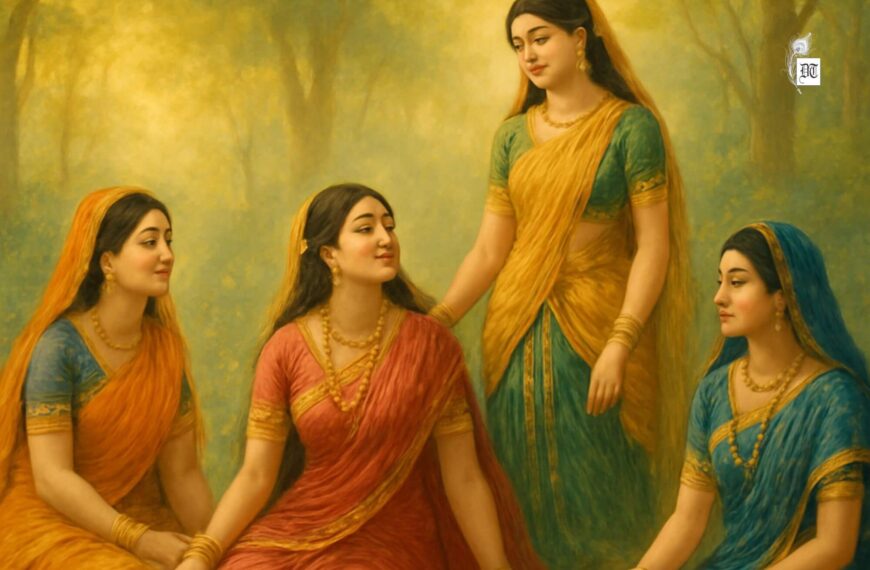
 By
By