
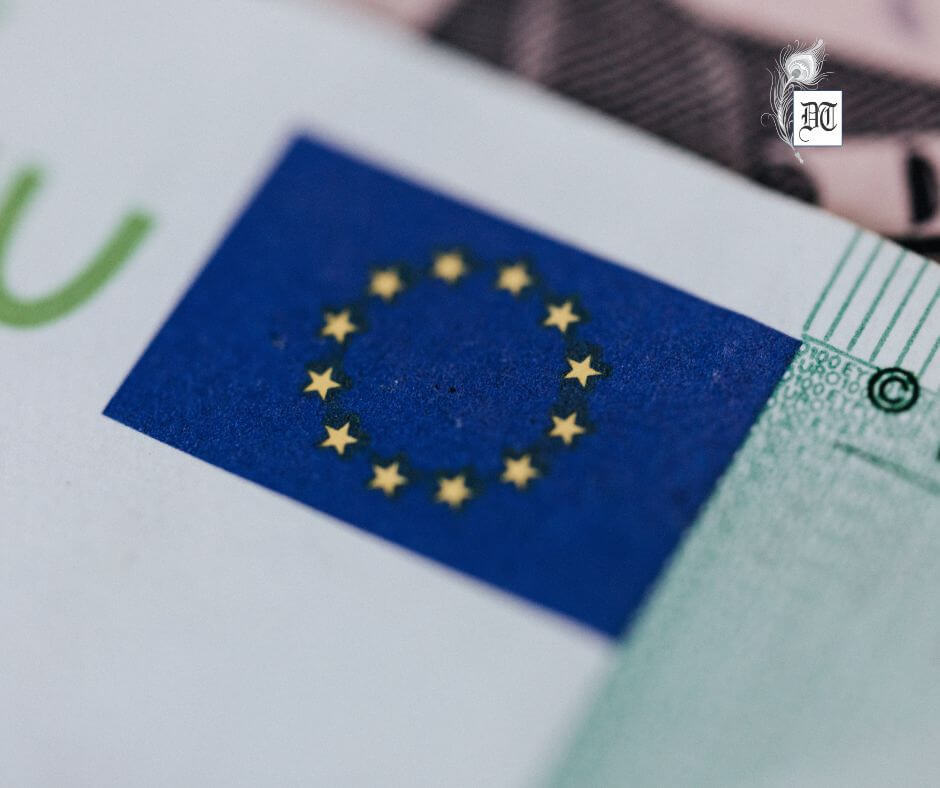
Europe ditches dragon and panda risks, eyes India’s peacock strut in bold EU trade deal, says Rishi at DifferentTruths.com.
AI Summary
- Europe diversifies from China via EU-India trade pact, slashing tariffs on wines, cheeses, cars, and tech for affordable Indian luxuries.
- India boosts pharma, textiles, and IT exports to the EU, dodging panda pitfalls while shielding agriculture from green taxes.
- Amid global tariffs, this pragmatic deal delivers survival, leverage, and tastier geopolitics for consumers.
Europe has been living dangerously, relying on a dragon for manufacturing and a panda for comfort. Both, lately, have stopped being cute. The dragon breathes fire at inconvenient moments. The panda smiles, but with conditions. So Europe did what any anxious power bloc would do in uncertain times: it went shopping for alternatives and spotted a peacock strutting confidently across the global stage.
Thus arrives the India-EU trade deal, not with romance, but with receipts.
This agreement is not about shared values etched in marble. It is about diversification, leverage, and survival. Europe wants out of its China dependency without triggering an economic cold turkey. India — democratic, noisy, occasionally chaotic but reliably ambitious…suddenly looks like the sensible next partner. The panda is gently nudged aside. The tigers are ushered in…tails high, claws trimmed, contracts signed.
For Indian consumers, this is where geopolitics turns personal. European wines, spirits, cheeses, chocolates and olive oil are set to get cheaper, making a decent cheese board feel less like a luxury crime. German cars, Italian fashion, Swiss watches and high-end cosmetics could arrive with fewer tariff-induced palpitations. Even the serious imports… medical devices, aircraft components, precision machinery, renewable energy technology and EV parts… stand to become more affordable, boosting quality without bleeding the wallet.
Europe, meanwhile, gets what it wants most: supply chains without suspense. Indian pharmaceuticals, textiles, IT services, and engineering goods gain smoother access to EU markets, offering scale without sudden geopolitical mood swings. But there is a catch—and Europe loves a catch. The EU’s carbon border tax looms large, like a stern environmental headmistress. Sustainability, India is being told, is no longer a moral badge; it’s a line item on the invoice.
India, however, is not giving away the family silver. Agriculture and dairy remain firmly off the table. When trade theory collides with rural livelihoods, theory is politely asked to wait outside. Even tigers know better than to charge into electoral minefields.
What makes this deal quietly subversive is its timing. At a moment when much of the world is building tariff walls and selling economic isolation as patriotism, India and Europe are choosing complexity over comfort. No chest-thumping. No civilisational sermons. Just mutual need wrapped in legal language.
The dragon will continue to loom. The panda will continue to smile enigmatically. But the peacock has arrived…not to dance for applause, but to negotiate terms.
And if this shift in global power also means cheaper wine, smarter cars, and better cheese on Indian tables, then geopolitics, for once, has delivered something everyone can actually taste.
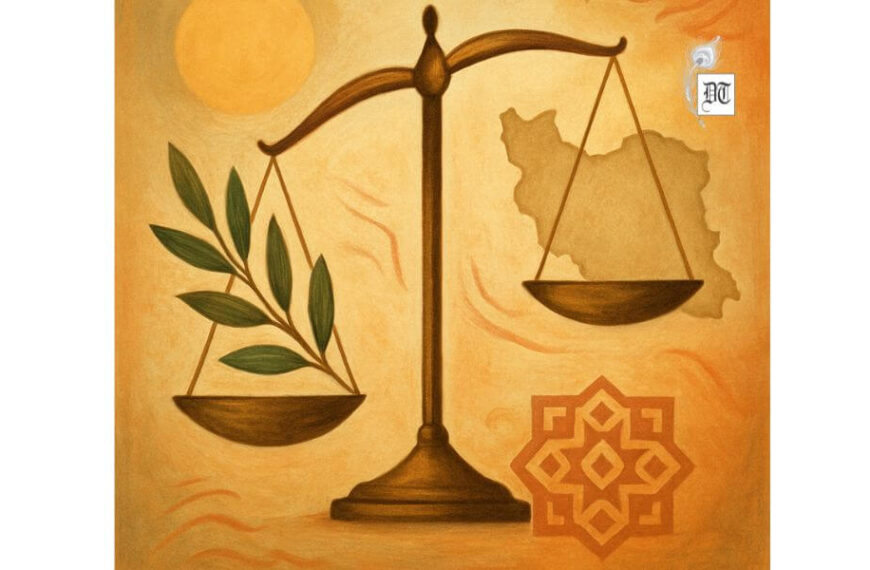
Picture design by Anumita Roy

Rishi Dasgupta, a Masters in Economics from the University of St. Andrews, Scotland, is a millennial, multilingual, global citizen, currently pursuing a career in the UK. An accomplished guitarist and gamer, his myriad pursuits extend to the study of the ancient philosophies and mythologies of India. ‘Adi Shiva: The Philosophy of Cosmic Unity’ is Rishi’s second book as co-author.


 By
By
 By
By
 By
By