
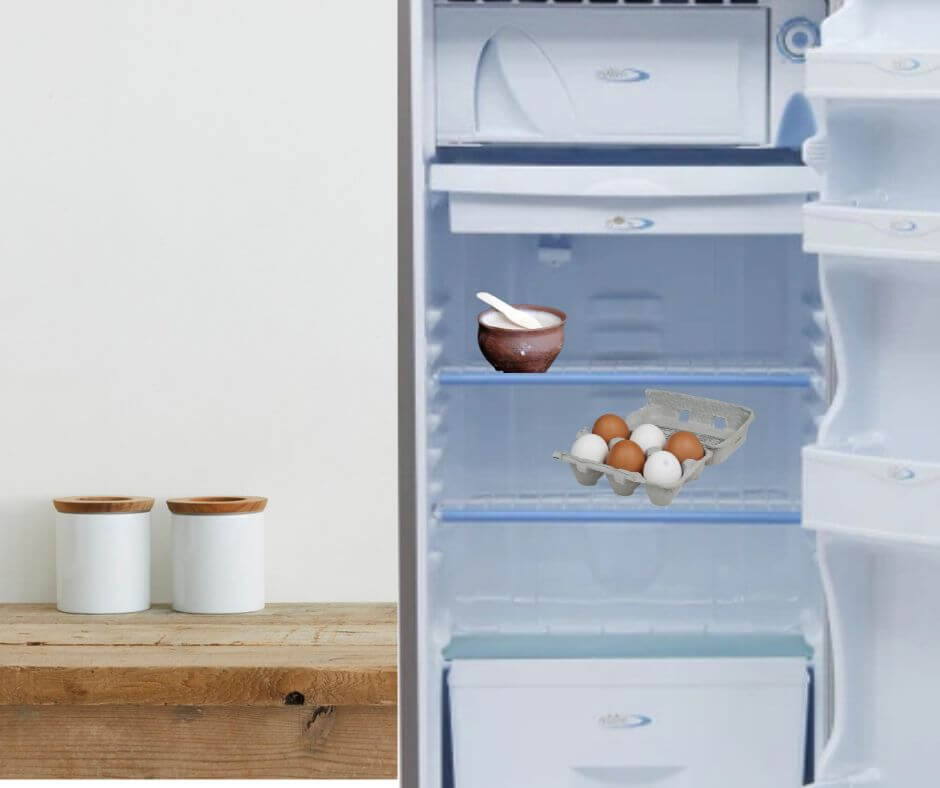
Reliance Retail’s acquisition of Kelvinator revives memories of India’s first refrigerators—nostalgic childhood heirlooms marking a domestic revolution. Dr Ritu explores this legacy for Different Truths.

AI Summary
· Reliance Retail fully acquires Kelvinator from Electrolux to dominate India’s home appliances market.
· Vivid 1970s nostalgia recounts the first fridge’s arrival as a magical, celebratory event, transforming daily life.
· Fridges evolved from elite luxuries to essential symbols of progress, freedom, and shared memories across generations.
Reliance Retail has fully acquired the Kelvinator brand in India from Electrolux, aiming to strengthen its position in the competitive home appliances market. The news item made me plunge into the languid summers of the 1970s, before technology tiptoed into every home, when the concept of a refrigerator felt as fantastical as snowfall in Ambala. We had heard of it—the fabled fridge, a magical almirah that kept food fresh and fruits chilled—but to actually own one? That was the stuff of fairytales.
Until one day, the fairytale arrived at our doorstep. It was a dusky summer evening when the delivery van pulled up in front of our modest home. And there it was—a cream-coloured Kelvinator, regal and resplendent, wheeled in like a wedding guest.
That day turned into an impromptu celebration. Someone brought marigold garlands; another offered sugar cubes—as if ushering in a deity of domestic delight. The local electrician hovered, as did the curious crowd, trying to decode its humming mystery. And we kids? We hovered like moths around a cold flame, giggling, gasping, daring each other to sneak a touch, then slyly pulling the door open just to catch a whiff of that crisp, cool air — an exotic scent that felt cleaner than anything we knew.
Once plugged in and properly ‘settled’, the fridge transformed our kitchen into something out of an advertisement. Inside, it looked like a festival had been carefully curated on glass shelves — a kaleidoscope of colours and curiosities. Glossy red apples, orange segments, and bunches of grapes sat in cheerful bowls. Glass bottles of rose sherbet, Rasna, and Gold Spot stood like soldiers alongside metallic jugs of milk. There were bright jars of mixed fruit jam, ketchup bottles with flip-tops that clinked when opened, blocks of Amul butter wrapped in golden foil, and—the ultimate indulgence—tiny chocolate bars stacked inside the freezer like secret treasures.
It was a miniature wonderland — part storehouse, part sweet shop, part science lab. My mother began preserving mango pulp in steel dabbas, storing half-cut watermelons, and making experimental kulfis in steel moulds. Vegetables wrapped in paper, leftover sabzi, lemon slices floating in water bowls — everything seemed to find refuge in this frost-kissed cupboard. The fridge didn’t just store food — it stored possibilities.
For the women of the household, it was freedom in disguise. No longer tied to daily market hauls or weather-induced spoilage, they began to cook in batches, plan menus, and breathe a little easier. It redefined domestic life.
Our domestic help, fascinated by its cooling magic, would often request a handful of ice cubes while leaving for the day — wrapping them in a cloth, carrying them home like fragile stars. Years later, I visited her house and saw a fridge humming in her kitchen too. It made me smile — a silent symbol of progress shared across generations and class lines.
The journey of the fridge, from elite indulgence to essential appliance, is also the story of evolving India. Today, it’s no longer a guest of honour — it’s family. Trusted, ever-present, quietly whirring in the corner.
Yet even now, when I open the fridge door late at night and feel that cool breath rush, I’m transported back to that first magical evening — the wide-eyed wonder, the scent of sherbet, the hum of promise.
Some objects serve.
But a fridge — the first one — lives on. Not just in kitchens, but in the hush of childhood wonder, in the scent of ripened fruit, in the quiet revolution it brought into the rhythm of our lives.
A humming heirloom of memory — frosted not in ice, but in time, wrapped in foil, packed in glass, chilled in nostalgia.
Picture design by Anumita Roy

Dr Ritu Kamra Kumar is an acclaimed academic, poet, and writer with over 400 publications in national media. A retired Principal and English Professor, she has authored eight books and 70+ research papers. Recognised as an “Empowered Woman” by The Hindustan Times, she is an Indian Woman Achiever Award recipient. A sought-after speaker and workshop leader, her extensive contributions to literature and education earned her prestigious honours from the District Administration and Delhi Book Fair.



 By
By
 By
By
 By
By
 By
By
Excellent write-up. It reminds me of our own 140 litre Allwyn Refrigerator that lasted 20 years after which we’ve had to change the newer, lighter, less electricity guzzlers every five years or so. The things then were built to last, now they come with their obsolescence built into them, their healthy age being limited to the full warranty period.
An engaging read that awakens the mind to the first refrigerator at my island home in Trinidad during the 1960s.
My gratitude to worthy readers for appreciation of Write – up.