

Experience the poignant musical drama Jorasanko r Ekti Nirob Chhaya, honouring Mrinalini Devi’s silent sacrifices within the iconic Tagore legacy. A review by Ruchira for Different Truths.

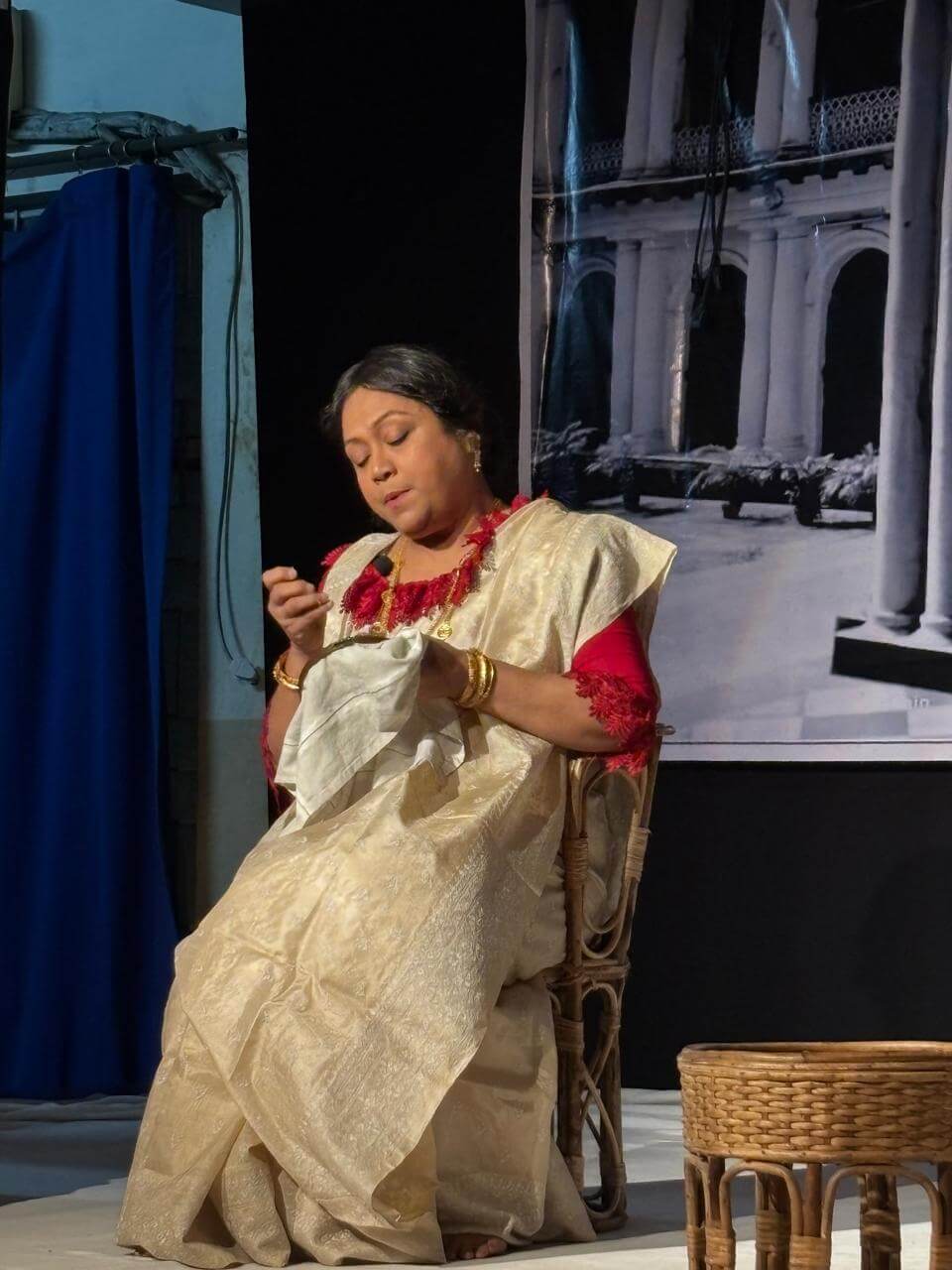
On a chilly December evening in 2025, a group of culturally rich women, most of whom were well-known local artists, presented a unique musical drama under the auspices of the Chittaranjan Memorial Society in CR Park, often referred to as the mini-Kolkata of New Delhi. Titled Jorasanko r Ekti Nirob Chhaya, the presentation was in the form of a soliloquy by Mrinalini Devi, the wife of Rabindranath Tagore.
During the Bengal Renaissance, which spanned the 18th and 19th centuries and beyond, the Tagore family of Jorasanko, including its women, played a pivotal role in transforming the socio-cultural and urban life of Kolkata. Jnandanandini Devi, the wife of Rabindranath’s eldest sibling, Satyendranath, was exposed to British and upper-class societies due to her overseas travels and educated herself successfully. Furthermore, she played a crucial role in revolutionising the style of sari draping that was previously unknown in Bengal.
Rabi Thakur’s older sibling, Swarnakumari Devi, was a literary figure who contributed to and edited the Bharati journal founded by their brother Dwijendranath. Sarala Devi Chaudhurani, her daughter, also established herself as an erudite literary figure.
To Jnanada’s daughter, Indira Devi Chaudhurani, goes the credit of scoring music for a humongous number of lyrics penned by her Robi kaka (uncle).
Last but not least, Kadambari Devi, Rabi’s Notun Bouthan (Jyoti Dada’s wife), emerged as his muse and source of inspiration until her untimely, tragic demise.
It is pretty obvious to all that Mrinalini Devi’s persona would pale in comparison. Rabindranath’s aura and charisma also overshadowed that of his wife. Since Kadambari Devi’s suicide came shortly after her wedding, Mrinalini was doomed to live in the shadows of the former. She accepted it stoically for the sake of her famous spouse.
Lifelong, this humble woman stood by the poet like a steadfast boulder, providing unwavering support at every turn. Throughout their twenty-year-long marriage, Mrinalini bore him three daughters and two sons. With great dedication, she pursued her basic education and mastered the English language, Sanskrit, and more. Additionally, she catered to her husband’s culinary whims, quietly assisting him in his experiments with a variety of dishes.
Years later, when Tagore decided to establish his dream project, Vishwa Bharati, at Santiniketan, Mrinalini sold all her jewellery as a humble contribution to the cause. However, a quirk of fate led to her growing isolation. The more Tagore became engrossed in his ambitious work—gaining fame and recognition—the further he drifted away from her, not out of disregard but due to his relentless preoccupation. This caused a widening chasm between them.
Deeply wounded, Mrinalini continued to fulfil her domestic duties without complaint. Tragically, she eventually succumbed to a serious illness at the young age of 29. Tagore, jolted out of his reverie, was deeply shocked and mourned her loss for a long time, but alas, it was too late!
To highlight the event, Tagore’s melodious lyrics, such as “Bhalo bashi bhalo bashi, Phule phule, Ki paini,” were flawlessly rendered by Pratibha Das. Munmun Bhattacharya expertly narrated both poems and prose. Raka Bhattacharya delivered a realistic and outstanding performance as the protagonist, Mrinalini. The three instrumentalists deserve accolades for their contributions.
At a cursory glance, it may seem like a neighbourhood function (para/mohalla), but interestingly, the presentation attracted a packed audience. Kudos to the team for upholding and preserving the spirit of Tagore.
Visual sourced by the author

Ruchira Adhikari Ghosh brings a liberal, wide-ranging outlook shaped by extensive travel across India and abroad. Educated at Holy Child School, New Delhi, Sacred Heart Convent, Ludhiana, and Panjab University, Chandigarh, she holds a Master’s in English Literature and a postgraduate diploma in Journalism and Mass Communication. With three decades in media, she writes on travel, books, music, performing arts, women’s issues, and especially food, drawing inspiration from rich life experiences. She is our Features Editor.

 By
By
 By
By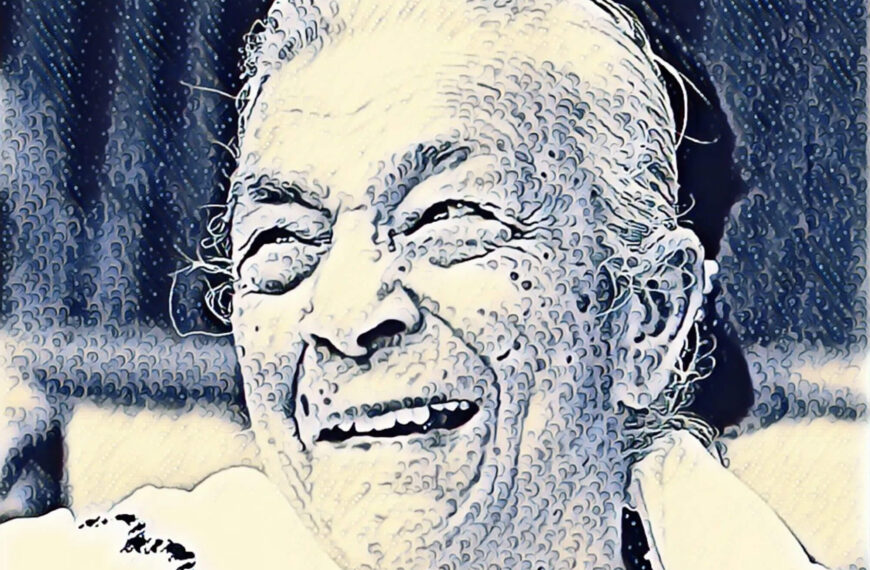

 By
By