
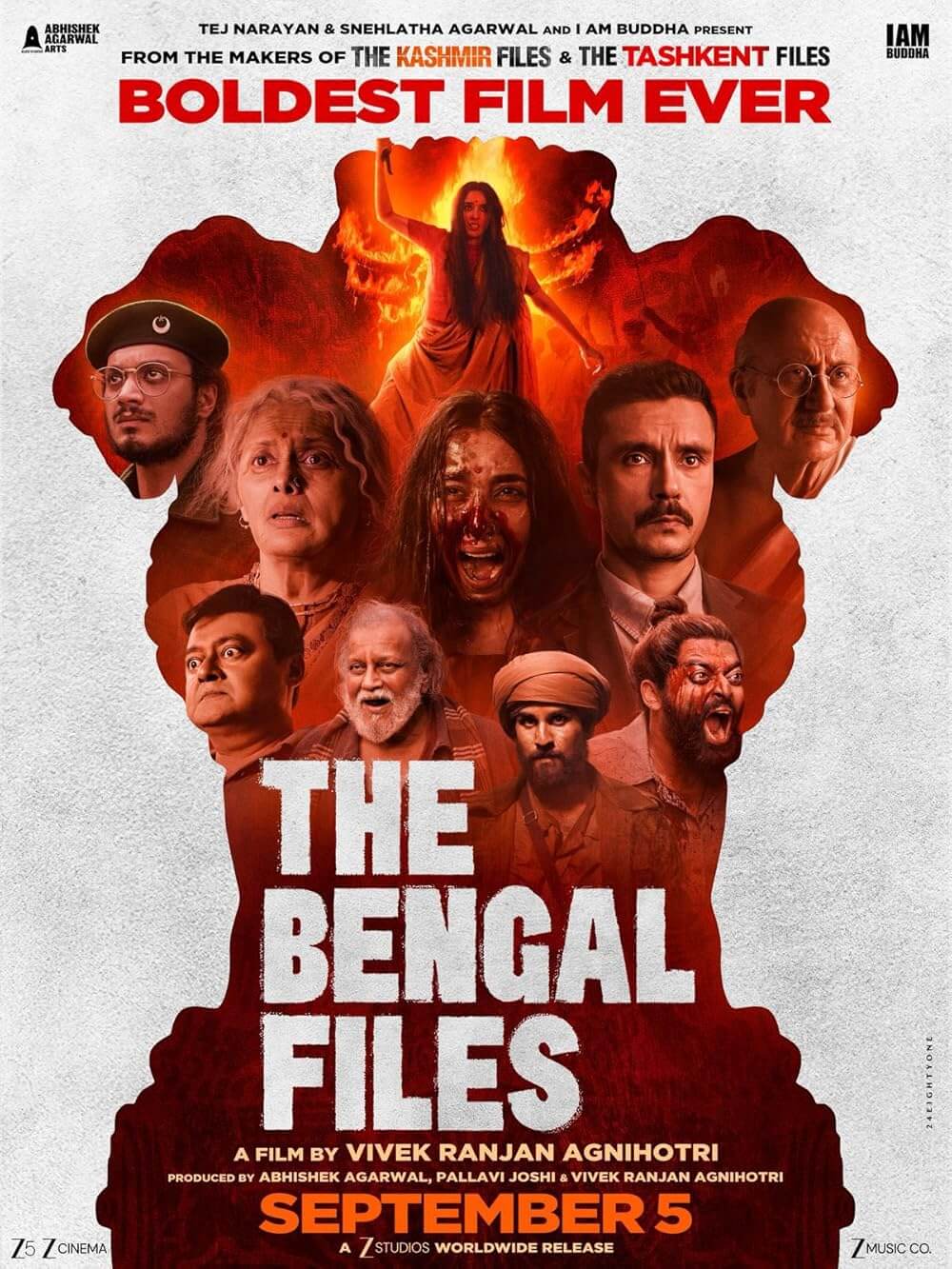
Rita opines that Vivek Agnihotri’s The Bengal Files unflinchingly depicts the 1946 Noakhali riots, sparking debate with its raw, provocative historical narrative, exclusively for Different Truths.

Vivek Agnihotri’s latest film, The Bengal Files, is a bold and unsparing attempt to portray the horrific communal violence of the 1946 Direct Action Day and the ensuing Noakhali riots. As the final piece in his “Files” trilogy, the film follows a similar pattern, using a contemporary investigation as a frame to revisit a deeply traumatic historical chapter. It’s a work that aims not just to inform but to provoke and confront its audience with a history that is often overlooked.
Agnihotri does not shy away from the brutality of the period. The film is intensely graphic, depicting gruesome scenes of beheadings, mutilations, and other atrocities. This unflinching portrayal is arguably the film’s greatest strength. By refusing to soften the reality of the violence, the director forces viewers to grapple with the sheer scale of the human suffering that occurred. For many, this raw, gut-wrenching depiction is a necessary and long-overdue cinematic reckoning with a painful past.
A Flawed but Unforgettable Narrative
Despite its powerful subject matter, The Bengal Files is not without its flaws. The narrative can feel heavy-handed at times, simplifying a complex historical event into a clear-cut and sometimes one-dimensional story. The film’s long runtime of over three hours has been noted by many critics, with some feeling the pacing could have been tighter and more effective. Furthermore, the film’s portrayal of historical figures like Mahatma Gandhi has stirred controversy and sparked debate about artistic license and historical accuracy.
However, the film is carried by some truly powerful performances. Veteran actors Mithun Chakraborty, Anupam Kher, and Saswata Chatterjee deliver strong, emotionally resonant portrayals that help ground the film’s otherwise shocking content. The cast’s commitment to their roles makes the suffering and anger of the characters palpable, allowing the film to connect on a visceral level despite its narrative weaknesses.
Ultimately, The Bengal Files is a film that demands a reaction. It’s a work that will be celebrated by some as a vital historical document and criticised by others as propaganda. Its true significance lies in its ability to spark uncomfortable but essential conversations about memory, history, and the role of cinema in shaping public consciousness. Whether you agree with its perspective or not, it’s a film that leaves an undeniable mark and serves as a chilling reminder of the violence that preceded India’s independence.
Picture design by Anumita Roy
Feature picture from IMDb

Born in Shillong, Rita Biswas Pandey’s diverse career spans education and corporate life. A North Eastern Hill University graduate, she holds multiple certifications in social welfare and computer studies. Retiring from UPS to pursue her passion, now a Delhi resident, is a published author (Tinkonya, Yuddha and Kabita somogro ). She also enjoys singing, poetry recitation,sketches, cooking, photography, Blogging and vlogging, sharing her life with her husband, Vinod, and their beloved pet, Titu.



 By
By
 By
By
 By
By
 By
By