
Dr Satjit reminisces about a day in critical care, revealing life’s truth: dependence is universally met with gratitude, compassion, humility, and resolve, exclusively for Different Truths.
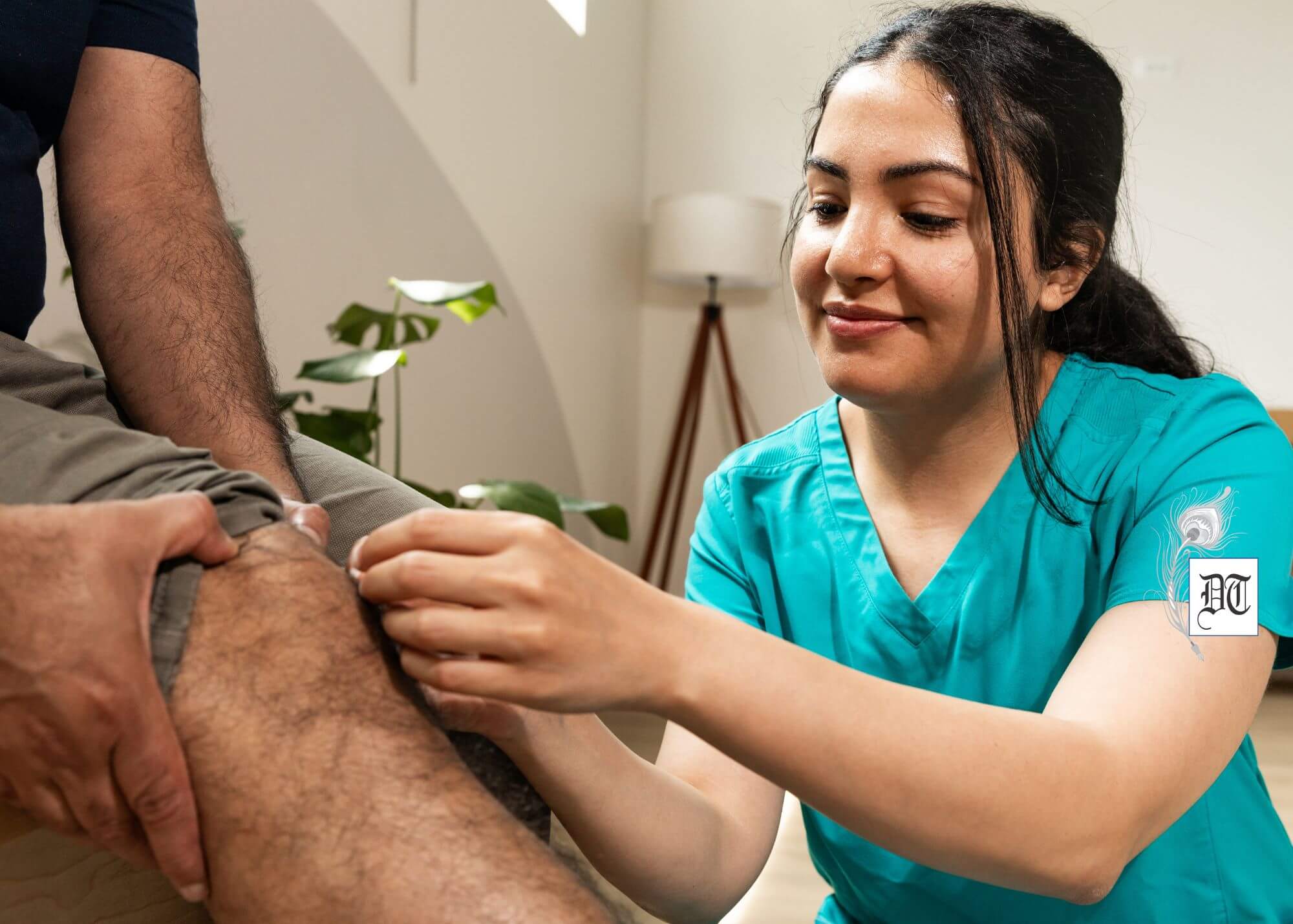
A day in a hospital, that too, in the critical care unit, can leave you in a reflective mood. You ponder over the reasons for the problem and feel grateful to the doctors who appear to have given you another lease of life; you find the nursing staff so loving and caring that their language, religion, identity, regions, etc., become immaterial. How helpless and dependent critical patients can be on these care service providers.
I was not just thinking but also expressed my gratitude to a couple of them. “It is nice of you to think like that, sir, but in fact, we are dependent on you,” responded a nursing intern, a Malayali girl. “We are paid to serve you.” I did not argue with her; a gentle touch on her hand and a few words of blessings were all that I could muster to acknowledge the value of their service.
Dependence! What exactly is it? A human child is one of the most dependent newborns among all species, finding it hard to survive without support. Even the birthing mother is dependent on elders or professional support during the dream and ecstatic moment of bringing a new life into the world.
Elderly parents are dependent on their children for safety, security, service, and emotional needs. The poor and sick are taken care of by society and volunteers—individuals or groups.
Sheikh Farid’s lines from the Gurbani come to mind: “Farida baar paraye baisna saanyi mujhey n deh Je tu evey rakhsi Jeo sareero leh.” Farid begs, “O Lord, do not make me sit at another’s door. If this is the way you are going to keep me, then go ahead and take life out of my body.”
Euthanasia—it sounds morbid, doesn’t it? But is that really what we mean? Perhaps not. Still, the strong desire to remain independent and not rely on others is unmistakably expressed. Dependence is not merely for physical or material needs.
We love, and our need for love is fulfilled by family and friends and, of course, by the healthcare providers. Are we not dependent on others for our need for respect, recognition, social status, sense of moral security, acceptability, company and even enjoyment?
It is not only the personal encounter with a situation requiring emergency services that triggered these thoughts, but there have been some occasions where close friends or family members were in a situation requiring support and services.
Several memories of such emotional moments are revived. Taking pity on someone is not really of much help. Self-pity is more damaging. As they say, pity makes us pitiable. Compassion is the right approach. On a positive note, getting help as well as being helpful goes a long way to strengthening resilience.
Back to the same existential question: if dependence is inevitable, then what should I pray for? “Oh God, bestow upon me the wisdom and humility to acknowledge with gratitude all the help and support I got from people; grant me strength and desire to work with alacrity to repay the same with compassion.”
If only I could accept gratefully and repay cheerfully!
Picture design by Anumita Roy

Satjit Singh is a retired banker, an avid reader and a freelance writer. His philosophical take on life is reflected in his writings published as middles in newspapers. He finds an amusing story in the mundane and has a rich repertoire of anecdotes from his travels, days as a teacher and a banker. He lives in Gurgaon and keeps his interest in reading and writing alive along with his business interests.


 By
By
 By
By
 By
By
Excellent expression of gratitude towards a selfless and loving community of healthcare warriors.
A bit more thoughts on euthanasia are warranted. May be a full article on that.
Keep it up Satjit.
Hello Satjit, your writings are amazing and thoughtful. I really enjoy reading them. It is nice of you to think about nurses and care they provide. Regards, Tejbir