
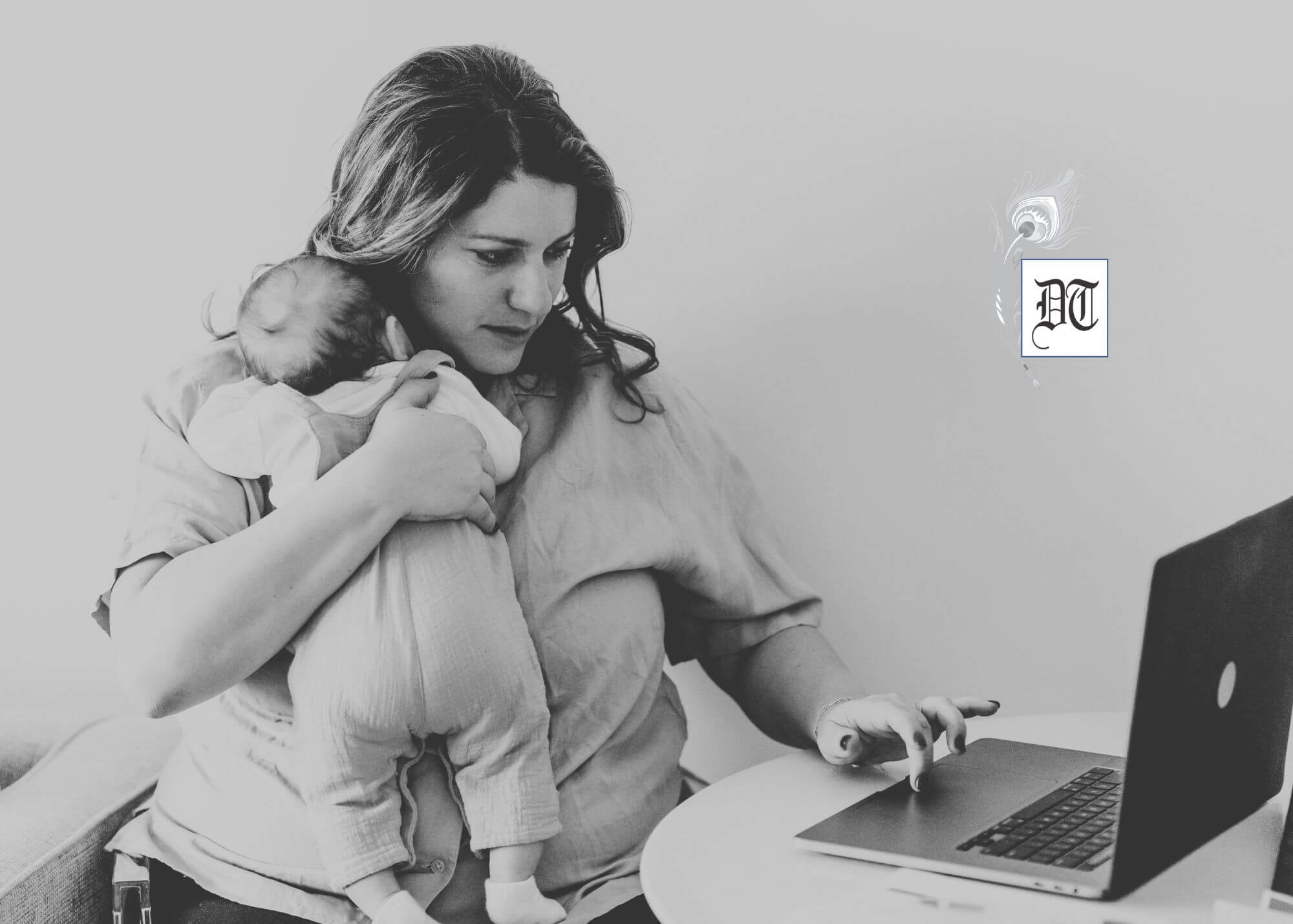

During the years when I was a full-time working woman, I would hurry home after the office to make the evening tea, followed by dinner. My partner seldom helped around the house. Yes, he meticulously handled all outdoor errands, (he still does) but indoor work has always been an absolute no-no for him. He has never offered to make tea, simply because he doesn’t know how to light a gas stove! Had no desire to learn. Period Throughout these years, whenever he had experienced stiffness or pain in the legs, I have religiously massaged them to provide some relief. However, the reverse was unthinkable. If I had cramps, he would never offer to massage them. How could he? After all, he was a man! I felt like a servant (or “daasi“).
Yes, you heard that right. In days gone by, Bengali boys, before their marriage, would call out to their mothers, “Maa, I am going to bring a dasi/slave for you.” Sadly, not much has changed. They may no longer be articulate in this manner but the point of view is deeply etched in their psyche.
Talking about another aspect of daily life—footwear—I willingly polish my partner’s shoes and carry them to the shoe rack. In contrast, he would hardly touch my slippers or shoes with a barge pole. At best, he kicks them to the shoe rack. Picking them up? Nah! How preposterous! Of late, however, he has softened a little and volunteers to take my broken sandal of mine, two, to the neighbourhood cobbler for mending. I feel grateful to him for that.
Many more such sexist anecdotes come to mind. For instance, two of my paternal uncles (who lived in Kolkata) would sometimes be ridiculed by their neighbourhood cronies if seen slicing and descaling whole, freshly caught fish with a boNti (traditional chopping blade) while their wives were busy cooking.
Well, you can’t blame Indian men entirely. This air of superiority has been instilled in them by the moral guardians of our society (read elderly female relatives).
This attitude is prevalent in other cultures too. The other day, while watching a video, I was amazed to discover that Japanese men are no different from their Indian counterparts when it comes to the issue of handling household chores. Even if it meant their wives were overworked.
As for food, I have no qualms about eating the surplus portions left on my spouse’s plate, as I consider it a criminal offence to waste food in a (still) poverty-stricken nation like ours. However, by the same logic, it would be sinful on my part to contemplate my partner finishing my leftovers.
A horrific belief that used to do the rounds among middle-class circles (in the Bengali community) in bygone ages was that if a devoted wife, colloquially hailed as Sati Lakshmi, consumed her husband’s leftover food, she would be blessed. It would be her passport to Vaikuntha (Paradise) after she bid adieu to this world
Yet another ghastly tale recounts how one such devoted wife choked on a large fish bone (mingled with food) left carelessly by her husband and died, only to be glorified for years to come.
These are trivial issues. In more important life-changing matters, too, it is usually men who have the last word. That’s what my bosom friends and female cousins reveal. In my case, the spouse decided on the brand and colour of our car, the space and the rent of the flats we hired, and the school our daughter attended. And believe me -he cajoled me out of wearing deep-cut, backless choli-type blouses (when they were in vogue) because they were “not of his taste.” So many years later, I jokingly give him a piece of my mind when we occasionally chat about “blouse” fashions.
My narrative is not intended to be derogatory in any way. Of course, pragmatic and sensible women (like yours truly) grin and bear it, but I am convinced -and keep telling the partner – men are born lucky!
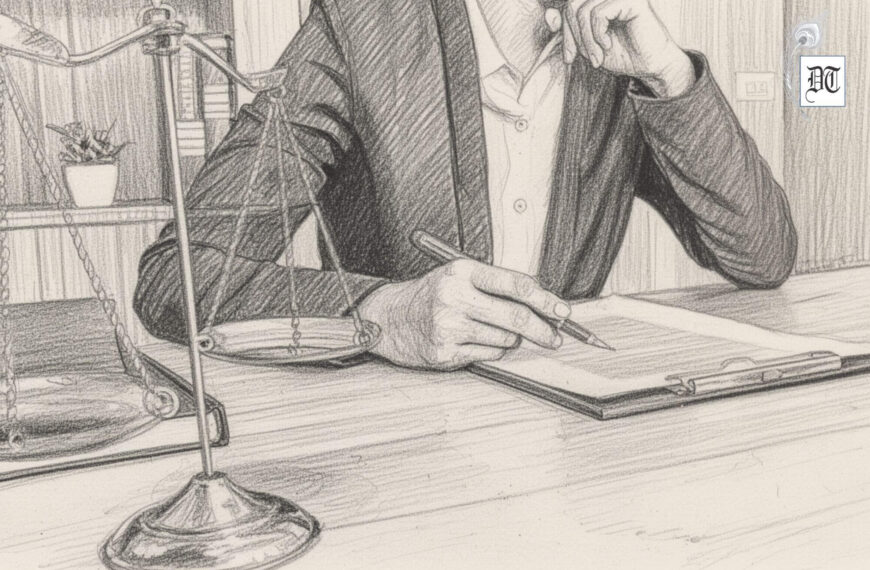
Picture design Anumita Roy

Ruchira Adhikari Ghosh brings a liberal, wide-ranging outlook shaped by extensive travel across India and abroad. Educated at Holy Child School, New Delhi, Sacred Heart Convent, Ludhiana, and Panjab University, Chandigarh, she holds a Master’s in English Literature and a postgraduate diploma in Journalism and Mass Communication. With three decades in media, she writes on travel, books, music, performing arts, women’s issues, and especially food, drawing inspiration from rich life experiences. She is our Features Editor.

 By
By
 By
By
 By
By