
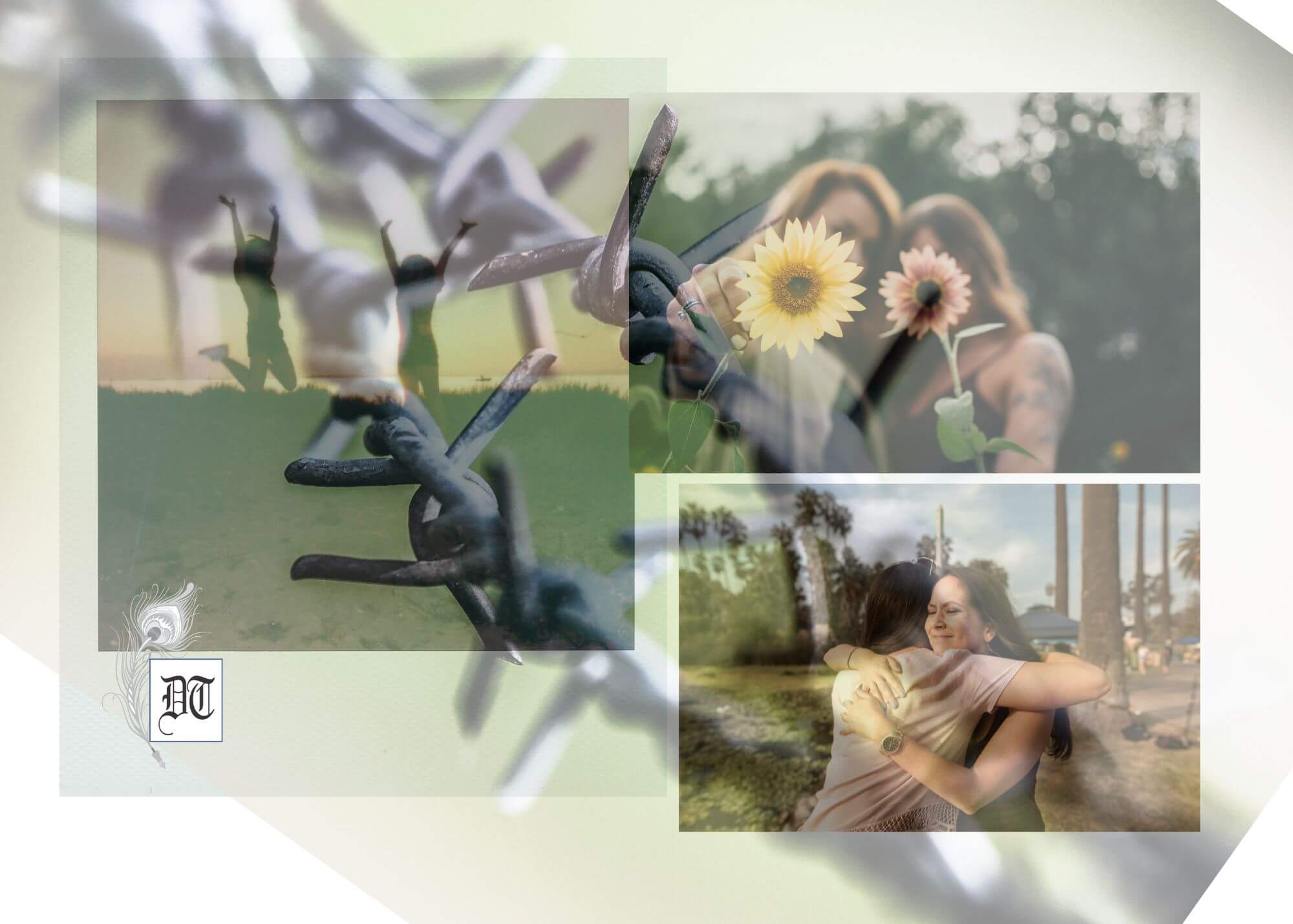
Meher’s story, exclusively for Different Truths, tracks Zarine, a journalist, navigating a strained friendship with Ruth amid conflict, balancing beliefs and memories.
With clenched fists Zarine jumped from rock to rock, towards her private musing spot at the water’s edge. She curled into a ball on a rock-head, chin against knees, arms hugging legs. The sun had begun its descent sprinkling golden rays on a somnambulant ocean. She needed to cut away from people, conflict, emotions. Let wind blow away images of blood and gore.
Waves swept rocks, frothing and receding. A discoloured red rag bounced up and down. The ocean would eventually swallow it. Her job also demanded swallowing garbage. Unforgivable garbage. Unlike the ocean she did not have limitless holding capacity. She would vomit horrors in reports, fired with the idea of making readers see the world through her eyes.
Her eyes settled on seagulls on a rock head a short distance away. They, too, seemed lost in contemplation. How simple their lives were. Find a mate, pair up, birth the next generation, and depart. Only humans complicate lives between birth and death. Sunset tinted the birds a translucent pinkish orange. Ruth’s colour. Ruth, the deadlocked conflict.
A solitary gull left rock island, wings in a slow flap. With a start, she realised time had flown, that water was lapping inches away. Time to return to the life she couldn’t escape.
***
Jamshed’s car was in their designated parking lot. As she turned her key in the door, aromas of lemongrass wafted out. Her husband was settled in his reclining chair with a cup of steaming tea. He looked up as she entered.
“Didn’t you go to the parlour? Your hair’s a mess. Today is Ayesha’s party.”
Zarine grimaced. “Make some excuse for me.”
He eyed her warily. “It’s the third party you’re skipping.”
“I-I can’t party…. I’ve just seen this video of a child covered in blood, with both legs amputated. He was crying ‘mama, mama’ but…. his mother’s dead…” her voice broke.
Her husband put down his cup, beckoning Zarine to the chair beside him.
“That’s awful. I’m sure rehab people will help him,” he said, taking her hand.
“Why didn’t they let him die?” she wailed. “That would be kinder. An orphan with multiple injuries. Who will take care of him? Death would save him a life of suffering.”
“Doctors have to save lives,” he reasoned.
“But… what kind of life…” She dissolved into tears. “Hundreds of kids have become amputees, burdened with godawful memories. No one should make kids into war victims!”
Jamshed straightened up. “You have to get out of this assignment. It’s draining you. Go back to reporting on sports, that’s your beat.”
“If journalists don’t write, how will the world know what’s happening?
“Let men do it. They are hardened reporters.”
“Raju’s having a breakdown in Gaza, witnessing horrors day after day. We edit his reports, leaving out gruesome visuals to soften the impact on readers. You don’t know how horrendous ground reality is.”
“War is a man’s game. Whether it’s fighting on the front lines or reporting. No place for women.”
She looked up indignantly. “Hundreds of women are getting killed.”
“They’re in a war arena; they don’t have a choice. You do. War is too much for you, baby. Change your beat.”
Zarine stayed silent. She had been among the women fighting for parity between the sexes in her office. Parity of wages, taking on night duty. She couldn’t back off. She was a sports reporter who was assigned the Israel/Palestine war when Raju was sent to the front. Admiring his courage, she took it on.
“I can’t party. It’s Friday. Ruth will be calling.”
“Have your girlie chat tomorrow.”
“I must tell her what I’ve seen today.”
Jamshed gave up. This was a friendship he could not intrude.
Zarine and Ruth had been friends since kindergarten. Played hopscotch, basketball, stepped on each other’s toes imitating dance steps from films. They had a fixed Friday date – to chat at 10 a.m. Toronto time which made it 8.30 pm in Mumbai. For the first time the Israel /Palestine war was putting a strain on their friendship.
In all their growing-up years, neither gave a thought to Ruth being Jewish, Zarine, Parsi. Who cared if someone was Jewish, Parsi, Muslim, or Hindu?
Friendships formed around common interests – sports, dancing, reading….
Suddenly, the war was turning her best friend into a Zionist zealot while Zarine’s job exposed her to unforgivable atrocities. Could their friendship survive?
Her musings at the wave-washed rock had been as much about Ruth as about the amputated child. It was painful to find her best friend defending the indefensible. They had vociferous arguments over hospitals, schools being bombed. Ruth insisted it was a defence because terrorists were hiding inside, claiming Zarine’s information about the injured and dead was exaggerated. How would Ruth react if the child amputee were Jewish?
She waited till Jamshed left for the party, then poured herself a strong rum. She was determined to give Ruth a gut-wrenching description of the injured child. Gory enough to provoke her into questioning her misplaced loyalty.
At 8.30 the phone jingled. “Where have you been!” demanded Ruth. “It is the hundredth time I’m calling!”
Guiltily, she realised her phone had been on silent since her time on the rocks. “Weren’t you sleeping? It’s early morning, your end of the world.”
“I’m upset. I need to talk. Some Jews have started protesting against our government! Marching on Toronto’s streets in the cold!”
“About time Jewish voices called for a ceasefire.”
“First, we had crowds glaring at mezzuzas on our doorposts – staring at us as if we were Frankenstein’s. But our people are turning against us…?”
“Their concern is only to free Jewish hostages.”
“We’ve been without a homeland for two thousand years,” continued Ruth ignoring her. “We got one after millions of us were tortured in concentration camps. We have greened the desert, we made it liveable, we turned over a flagging economy. No one can take it away from us!”
Zarine’s hand tightened over the phone as last week’s argument rankled in her ears. “Israel is sitting on Palestinian land.”
“Palestine has been promised to us from Biblical times. Hamas is a certified terrorist organisation. If Palestinians stopped sheltering Hamas, we could all live in peace.”
“What you call terrorists; Palestinians consider their saviours. With Israel’s ruthless bombings, they desperately need a protector. I’ve just seen a video of a small child with both legs amputated. He was barely two years old. His face was covered in blood. He was crying ‘mama’, but there was no mother to comfort him. She died while he was being rescued from rubble. In one day, he became an orphan and handicapped. Why? Israel is doing this to hundreds of kids like him!”
Zarine’s voice had become shrill. Ruth’s silence told her she had an impact. She gulped rum.
“Why do you see such gruesome things?” came Ruth’s voice. “They’re bound to upset you. War is war. Casualties are inevitable.”
“How heartless can you be!”
“Every week, you get emotional. If you can’t control yourself, I’ll stop talking to you.” And Ruth hung up.
Zarine was shocked. She had felt sure Ruth would be moved hearing about the wounded child. The evasion left her astounded. After thirty years, did she know her friend? How awful to encounter this side of her.
A desperate need to escape. Surrounded by unchanging rocks. Let waves wash away emotional baggage. Images of the wounded child. Of a friendship suddenly turning fragile. Stare into the deep, dark, undulating ocean, blanking out the garbage of the world. But night makes rocky beaches perilous. From druggies, drunks and slippery rocks.
She took her glass to the balcony. Breeze lifted tears off her cheeks. Rum went down in gulps. Fingers pressing into an empty glass, she raised her hand and flung it far away. The tinkle of glass hitting pavement released sobs.
She would not resign from her assignment. That would be the easy way out. A pretence that all was well by pushing away ugly realities. Jamshed’s business was built around party contacts. She had lost taste for the chatterati. He would have to party alone.
The weekend passed – washing hair, ironing clothes, stocking veggies, Ruth at the back of her mind. Remembering the umpteen times they had quarrelled and made up. Later, laughing at how silly those quarrels had been. This was not a quarrel they could laugh off.
The first image to pop up on her screen Monday morning was streets full of demonstrators demanding a ceasefire. Nothing to suggest they were Jewish. Celebrities, sportspersons, and leaders of different countries denounced Israel’s war horrors, but the powerful countries kept silent.
Ruth receded into the background as Zarine combined reportage with life – a music concert, dinner at a new Japanese restaurant, her colleagues’ lunchtime banter. As Friday approached, she became tense again. Ruth did not call. Zarine’s calls went unanswered.
The silence continued for two Fridays. Her irritable mood began to affect her husband. “Make up with Ruth,” he advised. “Your writing isn’t going to end the war. People read, move on. Only you get all worked up.”
“The whole world is condemning Israel, even the United Nations. Only America’s veto prevents sanctions. It’s shameless to ignore world opinion. It’s criminal to bomb an entire population.”
“Does your writing stop them? Can you save the world? Of course not. Why hurt a lifelong friend because of political differences? Holding on to friendship is more important.”
She agreed that friendship is more important than war. But how could she reconcile with a friend who supported mass murder? And how could she walk away from a lifetime of caring and sharing?
She was contemplating composing a long email to break the ice when Ruth’s call came unscheduled on a Wednesday.
“I wish this war would end, Zarine. I can’t take it anymore.”
Zarine raised her eyes in disbelief. Were they really on the same page? “Everyone wants this horror to end,” she said tentatively.
“Its…its…breaking our family….” Ruth’s voice was close to tears. “Aaron…has left home…”
“What! Why?” Aaron was Zarine’s favourite among Ruth’s three kids. She remembered him as a chubby, bright-eyed boy with a passion for tennis.
“I told you about those awful marches, remember? They’ve turned his head. We discovered he was making ‘Ceasefire Now’ posters in our home with paints and paper bought from Daniel’s hard-earned money!
“He and his father had heated arguments every night. Daniel believes in the Jewish state. Aaron insists we should recognise Palestine and agree to a two-state formula. I kept trying to build bridges between father and son.”
Zarine felt proud of the boy who was now in college. “Every family has disagreements,” she said drily.
“Things came to a head when someone in our synagogue started selling plots of land in Palestine,” continued Ruth. “Daniel signed up for three plots – one for each of our children – to support the war effort. We’ve always wanted a home in our homeland.
“Instead of being grateful, Aaron acted as if his father had committed a crime! Abusing his father! Accusing him of being a thief, aligning with criminals! After a rip-roaring fight, he threw his clothes into a bag and walked out, saying he wanted nothing to do with blood-soaked land. Poor Daniel’s blood pressure went through the roof.”
“Didn’t Daniel realise he’s buying stolen land!” said Zarine incredulously. Images of Aaron as a cherubic kid with a sing-song voice danced before her eyes.
“How many times have I told you it’s our land! Promised from Biblical times!”
“Palestinians have been living there for centuries. I’m glad Aaron disagrees.”
Zarine bit her tongue, but Ruth’s response was muted. “I knew you’d say that”, came her weary voice. “Aaron has started collecting funds for Palestine.”
Zarine felt proud of the boy, but Ruth needed to come to terms with her son’s decision. She softened her voice. “A few Jews realise the war has been too brutal. There’s no excuse for bombing hospitals, starving an entire population…”
“Aaron’s always been a softie. Hamas should have been destroyed in a week….”
“Hamas can’t be destroyed. They’re fighting with their backs to the wall. Palestine’s survival is at stake. Just like Ukraine. You supported Ukraine. This is no different.”
“My son can’t give up on his heritage! Why can’t he volunteer for Israel? So many Jews are hostages.”
“There are far more Palestinian hostages. Palestinians are being deliberately starved. Relief trucks can’t reach them. There’s no medical aid. Imagine surgeries without anaesthesia!”
“Daniel says in war, you fight to win at any cost.”
“After being victims of a holocaust, how can Jews support genocide?”
“Genocide! Genocide! Genocide! I’m sick of hearing that word!” cried Ruth hysterically. “From my son, no less.”
Zarine was torn between the desire to comfort her friend and continue provoking her. She decided to play it safe. “Is Aaron in touch?” she asked warily.
“He calls me, but won’t talk to his dad. He’s constantly chatting with his sister.
She’s beginning to think like him.”
“The young generation is at the forefront of the peace movement. Let’s hope they can swing it.”
“Everyone wants the war to end,” agreed Ruth.
They hung up at peace after weeks.
Jamshed was pleased that the friends had made up, but when Zarine said she was ready to celebrate, he hung back. “It’s not a party tonight, baby. I’m taking a client to dinner. It’s business talk, you’ll be bored.”
“No worries. I have my Panda pillow,” she smiled, disappointed. In the early years of their marriage, when Jamshed travelled for work, he had gifted her an enormous Panda as his substitute. Today, she wanted him, not a substitute. But if she was not available when he wanted her, she would have to reconcile to his absence, too.
For the next few weeks, the friends played safe, chatting about classmates, Ruth’s efforts with a new soufflé recipe, Zarine’s vegan diet, Daniel’s health issues, Jamshed’s new contract. Nothing new on Aaron. No mention of war. For Zarine it was a reluctant compromise. Yet she couldn’t resist sending her friend a clip of a holocaust survivor criticizing the war-mongering Israeli president. Ruth did not comment.
It was Ruth who revived war talk with a new dilemma. “Elena has been brainwashed by Aaron,” she began in a teary voice. “I can’t believe she actually did what she did.”
Zarine waited for her to elaborate. “She joined a group to embarrass Israel supporters at the National Democratic Convention. She walked down the street with a senator thrusting photos of dead Palestinian kids into his face, asking, ‘Would you like to see your daughter killed like this?’
“The man put fingers in his ears, shut his eyes, trying to get away from her.
Elena was laughing as she told us he bumped into a trash can and almost fell. Daniel was livid. ‘If I were the senator, I would have slapped you,’ he said and left the table without dinner.”
Zarine did not know how to react. It was heartening to see youngsters protesting even if they had little immediate impact. Boycotting big brands – McDonald’s, Starbucks, Nyke – was affecting profits. Sooner or later, business houses would have to put weight behind peace efforts. However, for Ruth to have two children go against their parents was tough.
“What about Ralph?” she asked at last.
“He’s apolitical. When there are arguments, he simply leaves the room.”
Was he apolitical or simply playing safe, wondered Zarine.
The next day, after completing her report on independent journalists being forced to leave Gaza, she headed for the seaside where her favourite rock was littered with wrappers and crumbs. Up-down tides would wash garbage away. Meanwhile, she had to find another secluded spot, away from lovers and students prowling the rocks. Gingerly Zarine made her way to a protruding rock, stepping over pools of stagnant water to haul herself up the crag a short distance from the water’s edge. She wanted to examine new thoughts entering her head.
Could Ruth be pushed into supporting her children against their father’s uncompromising stance, she wondered as waves curled and uncurled at her feet. Ruth’s blind support of the war needed to be dented. It was unethical, and Ruth was not an unethical person. Waves may froth and fizzle but like rocks, values remain grounded, unshakeable.
How to balance history versus ethics. Jews had a tortured history. Scattered around the world without a country to call home for centuries. The basis for Ruth referencing Biblical promises. After the holocaust, the world community, including the United Nations, allowed them to stake a claim to Palestine, but what about the local people being displaced? What about sharing resources? Sharing development?
If they had discussed complex issues in peacetime, they might have reached an understanding. War brought ethics into the focus of immediacy. There can be no excuse for reducing cities to rubble, killing, and maiming thousands. The only ethical action was to end, not multiply misery. Could Ruth be made to see this?
A massive wave threw up a baby crab. Zarine watched it cling to a perpendicular rock-face before dropping back into receding water. It drifted in circles before the next wave lifted it clear out of the water onto another slippery rock. Slowly, it unfurled tentacles moving towards an overhanging shelter when the next frothy wave dragged it away. To Zarine, it seemed lost, but its struggles in swirling water would continue. Despite powerful currents, tiny crabs have survival tools to stay alive.
Aaron and Elena were going against the tide of their parentage. Young people, resist falling back on the past, mused Zarine. They are more forward-thinking, aware that progress lies in mutual respect, cooperation, not winner-takes-all upmanship.
Did Elena discuss politics with her mother? Could Ruth be induced to follow her? What role could Zarine play in Ruth’s transformation? Thought piled on thought. Heavy-headed but without answers, Zarine returned shorewards.
Weeks passed. Then came the news that set Zarine’s pulse racing. It was so shocking that Ruth would be compelled to agree. She rushed home to preempt the Friday call on a Tuesday. But Ruth’s cell kept ringing. An hour later, Ruth called back. “I was at the supermarket. What’s the matter?”
Words flooded out as if released from a dam. “ Israeli soldiers are asking for the right to rape hostages!”
“What!”
“Israeli soldiers are asking for the right to rape!”
“Right to rape…? Don’t believe it! People are trying to defame Israel because we are winning the war.”
“It’s all over Facebook, Instagram.”
“Social media! Anyone can write anything.”
“Social media is more reliable than Godi media.”
“What’s Godi media?”
“Godi means lap in Hindi. News from the lap of corrupt businessmen and politicians. Today, mainstream media is so unreliable it’s called ‘Godi media’.”
“Whoever says soldiers are asking permission to rape is lying.”
“Do fact-checking. It’ll be in newspapers tomorrow,” retorted Zarine, hanging up.
She was deeply disappointed. Their thinking on rape had been identical. Women had a right to bodily integrity. Rape is an act of power, aggression. No man could force himself on a woman without her participation and consent. How can loyalty to the community change a fundamental position they had held for decades?
When she wanted a strong margarita before dinner, Jamshed sensed she was disturbed. “What’s new about women getting raped in war? It’s unfortunate, but enemy women have always been targets.”
“But Ruth…? If anyone talked of the ‘right to rape’ Ruth would have given them a mouthful.”
“War does strange things to people,” rued Jamshed. “Enough war bashing. Stop getting worked up over things you can’t control. Don’t damage friendship again. Let’s go for a swim to get steam out of your system. Tomorrow is Navroz. You can’t escape the family party.”
Flashback to happier days. Ruth is always amused that Parsis have two New Years. “How can the New Year come twice a year?” she smirked.
“Parsis follow two calendars,” Zarine had explained during college days. “The Shahenshahi calendar does not recognise leap years, so it loses a day every four years. Navroz used to come in September, now it comes in August.”
“Imagine Christmas in January!” giggled Ruth.
“But the Fasli Navroz is on March twenty-first, the spring equinox,” clarified Zarine. “Communities around the world celebrate the Spring equinox. Parsis celebrate by going to the agiary, wearing new clothes and partying.”
It was customary for Ruth to ‘drop in’ the day after Navroz for party leftovers. “Don’t let my mother know that the lamb in your jardaloo ma gosht is not kosher,” Ruth would plead while Zarine would threaten to spill the beans if Ruth didn’t help with their new assignment.
The family party was bound to be a bore. Same old jokes, same old repartees, comparing new acquisitions – watch, car, gadget – uncles praising Jamshed’s business acumen, dismissing Zarine with ‘you’re still earning fifty thousand.’ No one had an interest in war on another continent. But an evening of small talk would be a relief after months of stress.
The party passed; two days passed. Then Ruth again made an unscheduled call. “What you said is true, Zarine. The Knesset is debating whether to give soldiers the right to rape. This is going too far…”
“Much too far,” cried Zarine. At last, her friend’s eyes were opening.
“Now Elena is furious,” continued Ruth. “She’s a feminist.” Daniel tried to explain that as men get aggressive, their testosterone increases, and sex becomes a physical need.
“‘That’s no excuse! How dare they demand the right to rape,’ she yelled at her father. ‘How Knesset can debate an issue that’s crystal clear. No one can have or give the right to rape’. Poor Daniel was left speechless by his daughter.”
“People get blinded by power, replied Zarine. “They can’t see what’s obvious to everyone else. That bombing cities, starving people, and depriving them of medical care is criminal. That the idea of destroying Hamas is unreal.”
“Do you think Hamas can’t be destroyed?”
“You kill one leader, five will rise to take his place. Palestinians have nowhere to go. Does Israel plan to kill every living Palestinian?”
“Of course not! We are not barbaric!”
“Isn’t killing children barbaric?”
Silence. Then Ruth’s voice came with a tremor. “War has made life too complicated. Elders and youngsters are taking opposite sides. In the same family! It’s killing me!”
“Ask yourself, Ruth, are your children not thinking right? You are on the same page about soldiers raping hostages. Think of the larger question. This war is unjust, one-sided. Aaron and Elena recognise this. Why can’t you?”
“But… but… Daniel…? He’s devastated by his children’s betrayal. If I take their side, he’d be isolated. I can’t do that. He’s my bedrock, the love of my life.”
In a flash, Zarine saw Ruth’s dilemma. She was incapable of going against Daniel. She had seen them falling in love when he came to Bombay to visit an aunt who had stayed behind when his parents emigrated. Their fairy-tale romance – married within four months of meeting – continued through the ups and downs of life welding them into an inseparable whole.
The Daniel Zarine he knew was kind, loving, but adamant in his views. Ruth had wanted a stylish hairdo for the wedding, but he insisted she leave her waist-length hair flowing. She wanted to get married in a saree; he insisted on a wedding gown. Ruth wanted a lavish Indian wedding; he considered it a waste of money. Ruth always gave in to him leaving Zarine puzzled at the power of new love.
Why was Ruth content to live in her husband’s shadow, pondered Zarine as a garland of wilting flowers washed up against her rock. For a while, it bounced up and down, buffeted by the pull and drag of water. As a rolling wave pushed it up-shore string entangled in the cleft of a protruding rock. Receding waves left the garland to shrivel in the sun.
Roses and lilies should not dry up, thought Zarine, extricating the garland from the rock. Making her way over embedded rocks, sandy patches and salty pools, she reached the edge of the shore from where waves flowed freely into the ocean. With a jerk, she flung the garland far out to sea where sun, wind and water would keep it afloat.
Sooner or later, Ruth would have to decide whether to support her husband or her children. Zarine had to respect the husband/wife bond. The children could go their own way but without Daniel, Ruth would disintegrate like a melting snowball. Her efforts to make Ruth critique the war would have to tone down. She would become a listener. Absorb emotions behind Ruth’s dilemmas. Sift them, feed them back to Ruth with realism, but without intense opposition.
Too much reality could be fatal to friendship.
Picture design by Anumita Roy

Meher Pestonji is a veteran journalist writing on street kids, housing rights, and communalism while covering theatre, art and interviewing creative people. She has written two novels, Pervez and Sadak Chhaap, three plays, ‘Piano for Sale’, ‘Feeding Crows’ ‘Turning Point’ and short stories. Her first collection of poems will be out shortly.

 By
By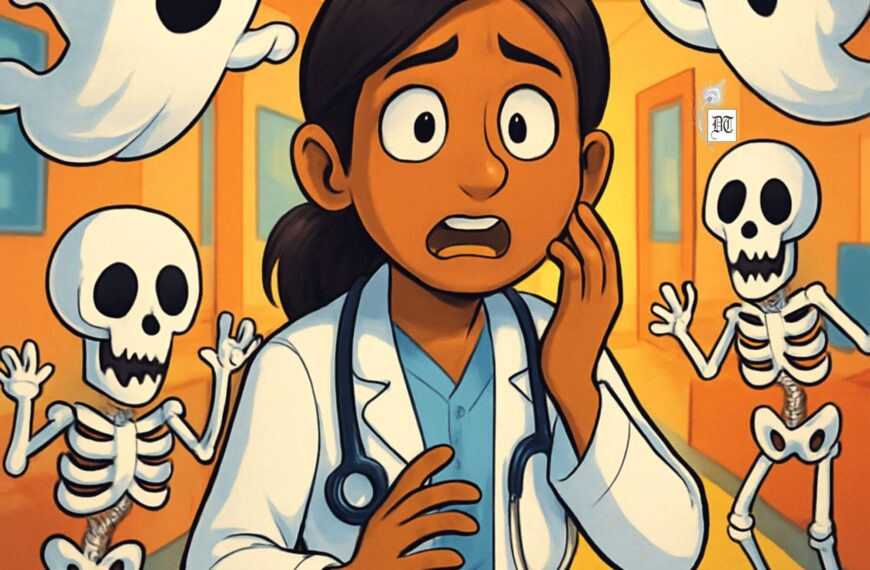
 By
By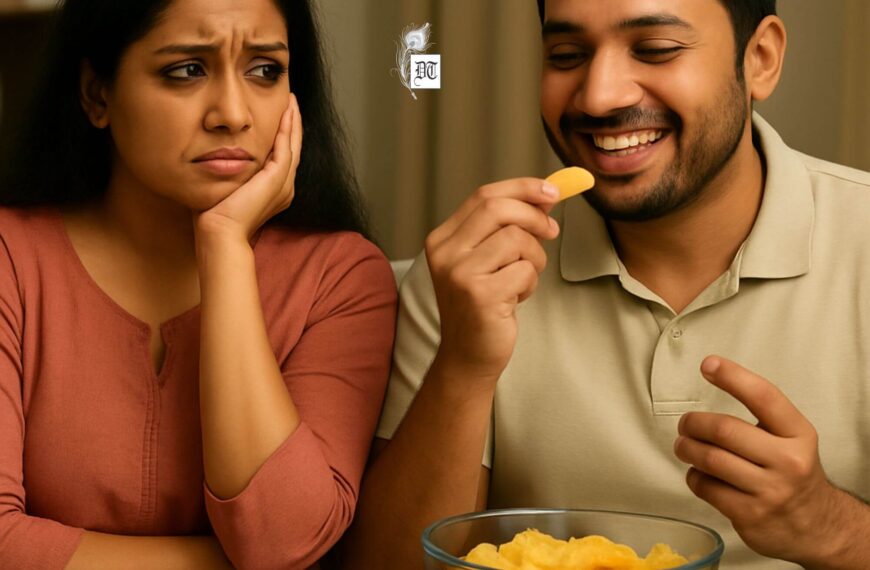
 By
By
 By
By