Concetta opines that Trump’s second term: coal nostalgia clashes with modern realities, eroding alliances and global economic leadership amidst China’s strategic rise, exclusively for Different Truths.
In the daily chaos of the Trump administration’s second term, significant events often slip under the radar. Consider the April 8 White House ceremony where President Trump, amid an escalating trade war, signed an executive order promoting coal mining. Surrounded by miners in hard hats, Trump proclaimed, “We’re bringing back an industry that was abandoned,” while claiming these workers would prefer mining over luxury penthouses.
This gesture might seem admirable in its recognition of blue-collar workers, but it reveals something troubling about the administration’s priorities. By championing a dwindling industry that employs approximately 40,0001 people while simultaneously undermining clean energy sectors that collectively employ over 400,0002 Americans, Trump demonstrates an ideological bias that dismisses green manufacturing as somehow less legitimate than traditional industries.
The current administration appears motivated more by personal grievances than by coherent policy. Trump’s approach to trade lacks strategic foresight—his tariffs change almost daily, and he shows no appreciation for today’s interconnected global supply chains. Meanwhile, Commerce Secretary statements suggesting Americans eagerly await assembly-line jobs “screwing in little screws” demonstrate a profound misunderstanding of modern manufacturing and workforce aspirations.
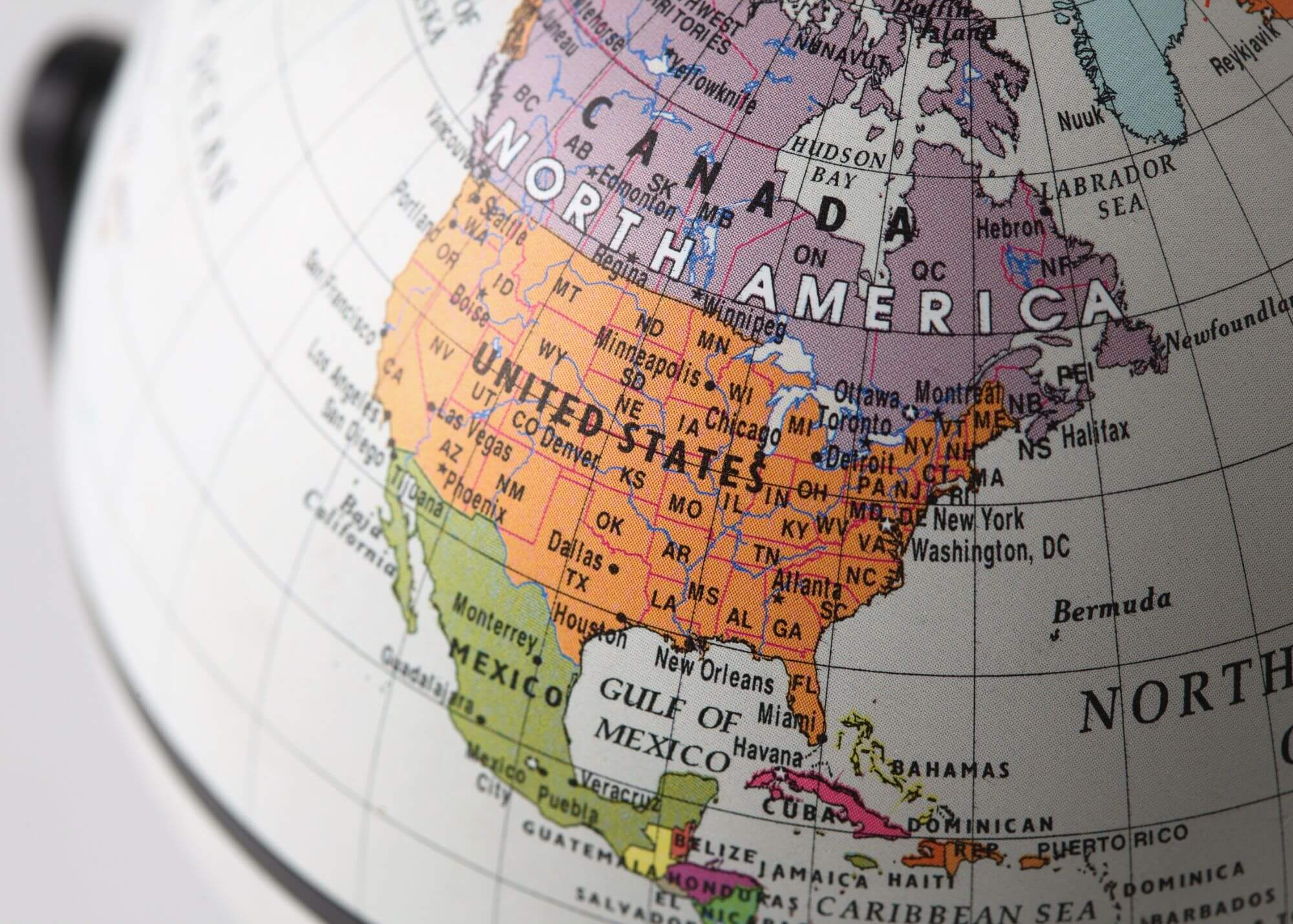
More concerning is how this administration treats international relationships. By antagonising our closest allies (Canada, Mexico, Japan, South Korea, and the European Union) while simultaneously challenging China and showing preference for Russia, Trump is eroding global confidence in American leadership and institutions.
The consequences are already visible. International investors are becoming hesitant about U.S. Treasury bonds, 6 potentially raising interest rates across our economy. The European Union now issues disposable phones to officials travelling to America 5 —a security measure previously reserved for trips to China. And globally, talented students are reconsidering American universities, potentially redirecting the innovative minds that have historically fuelled our economic growth.
Meanwhile, China pursues a deliberate long-term strategy. Their “Made in China 2025” 4 initiative, launched in 2015, identified future growth engines and invested heavily in clean energy, advanced transportation, robotics, quantum computing, and artificial intelligence. According to the Nature Index,3 China now leads global research output in chemistry, earth sciences, environmental sciences, and physical sciences, while ranking second in biological and health sciences.
This isn’t to suggest China will inevitably dominate. Beijing’s strategy of suppressing domestic consumption to subsidise exports is unsustainable and creates economic imbalances. Trump correctly identifies this problem, but his inconsistent tariffs and confrontational approach are ineffective against China’s methodical planning.
The question remains: How will China utilise its economic power? Will it invest in military expansion, unnecessary infrastructure, increased domestic consumption, or collaborative industrial ventures with Western partners? America should encourage constructive choices, but at least China has developed options.
By contrast, the Trump administration undermines America’s traditional strengths: our rule of law, our alliances, our currency’s stability, and our national unity. Even Canadians, historically our closest friends, now consider boycotting American destinations like Las Vegas. 7
If this administration continues its current path, it risks irreparably damaging the foundations of American prosperity and global influence. The disconnect between Trump’s nostalgic promises and the requirements of 21st-century leadership has never been more apparent—or more dangerous.
Sources:
1. https://www.ibisworld.com/search/default.aspx?st=Cite%20this%20article%20
5. “The New Republic,” https://newrepublic.com/post/193958/eu-anti-espionage-burner-phones-trump
6. “Investors are growing concerned about a U.S. asset exodus as Treasurys and the dollar decline,” CNBC, https://www.cnbc.com/2025/04/12/investors-are-growing-concerned-about-a-us-asset-exodus-as-treasuries-and-the-dollar-decline.html
7. “Canadians are boycotting American vacations,” https://www.wsj.com/lifestyle/travel/trump-canada-vacation-travel-plans-1428d574
Picture design by Anumita Roy

Concetta Pipia is retired from environmental design, law, and business. She turned to writing and founded the Aspiring Writers’ Society and its e-zine, the AWS e-zine, where she is co-editor. Her poetry has been published in various anthologies, including “Expressions on War,” “Purush Anthology,” “Poetry on a Plate with Spicy Mango,” etc., and e-literary magazines, including “Different Truths.” Concetta is a certified well-life coach who loves horticulture and dogs.



 By
By

 By
By