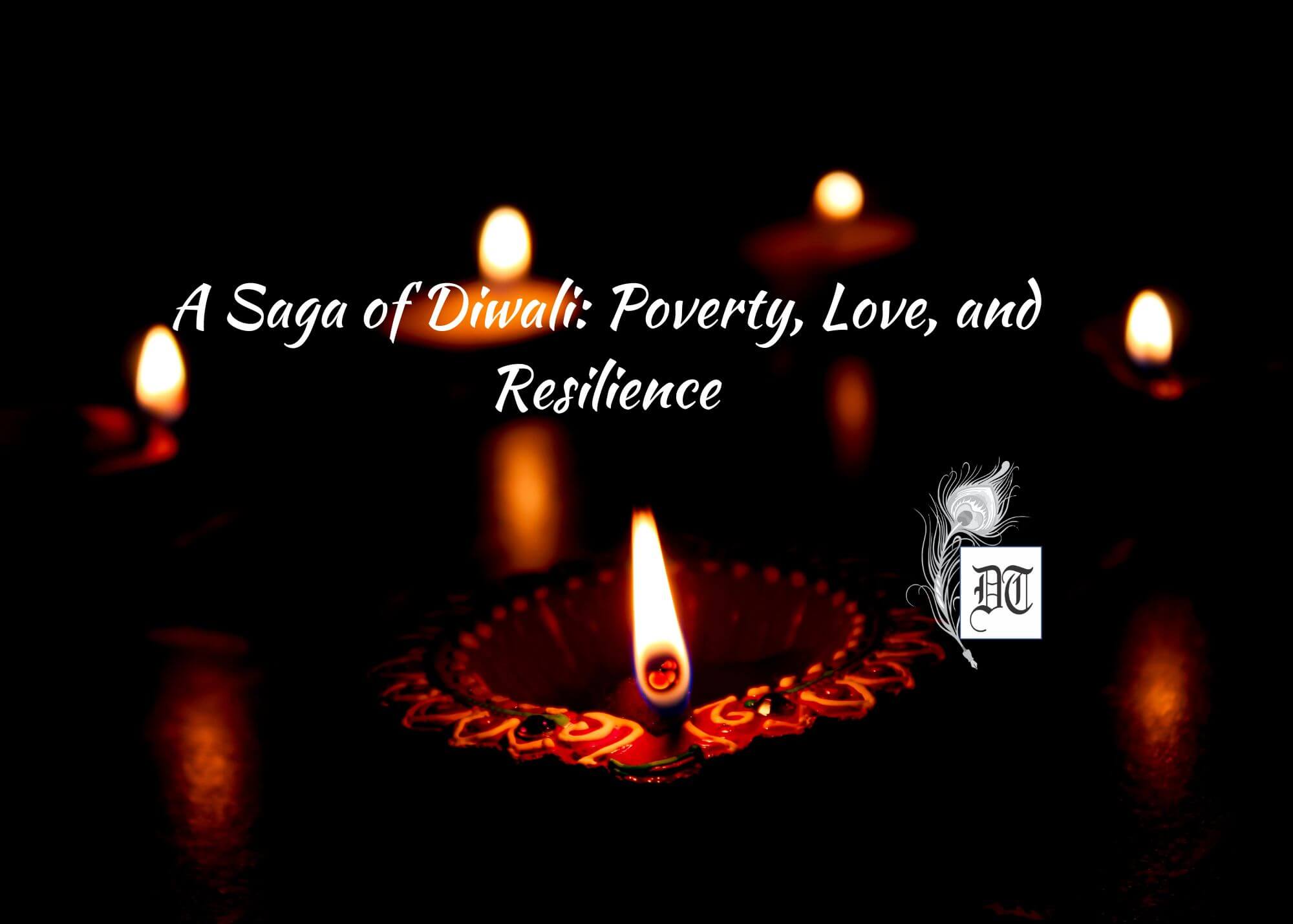
Dr Molly’s Diwali song evokes childhood memories of a simple village celebrating harvests, while Diwali contrasts with the festive spirit of the wealthy, exclusively for Different Truths.
“Ghar, ghar mein Diwali
Mere ghar mein andhera…”
This old Hindi song resonates within me when each Diwali stirs up my childhood memories.
I grew up in a village where everything was very ordinary. The farmer community lived in hordes.
Their celebrations came with harvest periods like Onam when the corn, the fruits, and all were ready to welcome spring.
At that time, each household had enough to eat and celebrate.
But Diwali reached us a season when the rains were just getting over, and the earth had to get ready for cultivation again. In short, a time of inadequacy.
The little ones in those cottages were going to school heavily depends on the government’s free midday meal schools they studied.
My mother and father were teachers. I still remember them serving meals to the students, who sat in a line in the school veranda.
How we wished we could also sit with them and eat, but no, the numbers were restricted.
On certain days, my mother would come with one or two students to our household at noon time. Our house was close to the school. The cornmeal supply at school was short, and those students could not be fed. So, they would be sharing our midday meals. Both my parents with their moderate salary, managed the household and education of their four children. Thanks to their hard work, all are well educated and now serving different strata of society.
Our parents were great role models for us in sharing and giving.
Those were times of shortage, be it with income or food supply.
But there existed the rich, who hired the farmers for work. They belonged to the upper crust of society.
My classmates included both the rich and the poor. My family belonged to the middle class.
When Diwali arrived, we could see those rich households all lit up, so much fun, merriment, fireworks and all-pervading.
Standing near the fence, we would watch the fireworks display on the skies and heard the uproar from the nearby cottages where poor children would also join the merriment.
That was before our village had an electric connection. On Diwali day, surrounding my household, a few more lamps would be lit up, whereas the poor had only their limited flickering lights.
Some special sweets were made on that day. Our parents were very particular in distributing it to those in the neighbourhood. We would go there to give it to them. And I still remember their awaiting faces lighting up with a smile.
Returning home late after distribution, I would ask my Mom (a child that I was) why they could not have lights and sweets at home, whereas on the other side, there was so much of all these.
My mom, a teacher, would answer. “See, we are the ones to shed light and happiness on them. Didn’t you notice the light in their eyes, the joy in their smiles, today?”
Coming back, switching on the radio, I would lie down, listening to Diwali songs. They would resonate even in my sleep.
“Ghar, ghar mein Diwali
Mere ghar mein andhera…”
Even now, it brings tears to my eyes.
Why is there so much darkness, want, and suffering on one side, while there is so much light, plenitude, and mirth on the other?
Picture design by Anumita Roy

Dr Molly Joseph, a bilingual professor and poet from Kerala, has published 26 books, including 18 poems, two novels, and two storybooks for children. She has edited “A Handbook of Contemporary Ethics” and works for values, global peace, and togetherness. Dr Joseph has won national and international accolades and represents India at SAARC and FOSWAL literature meets. She believes in the power of the word and writes boldly on contemporary matters.

 By
By
 By
By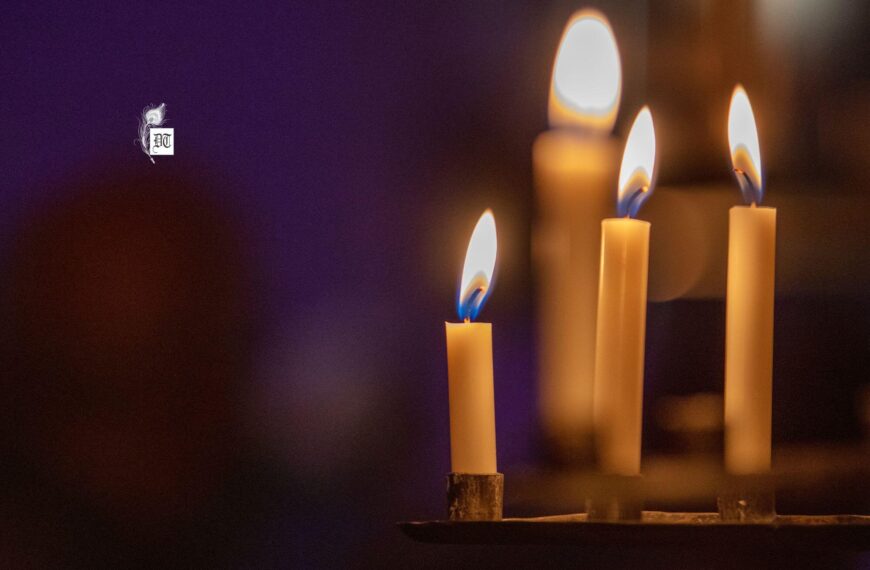
 By
By