
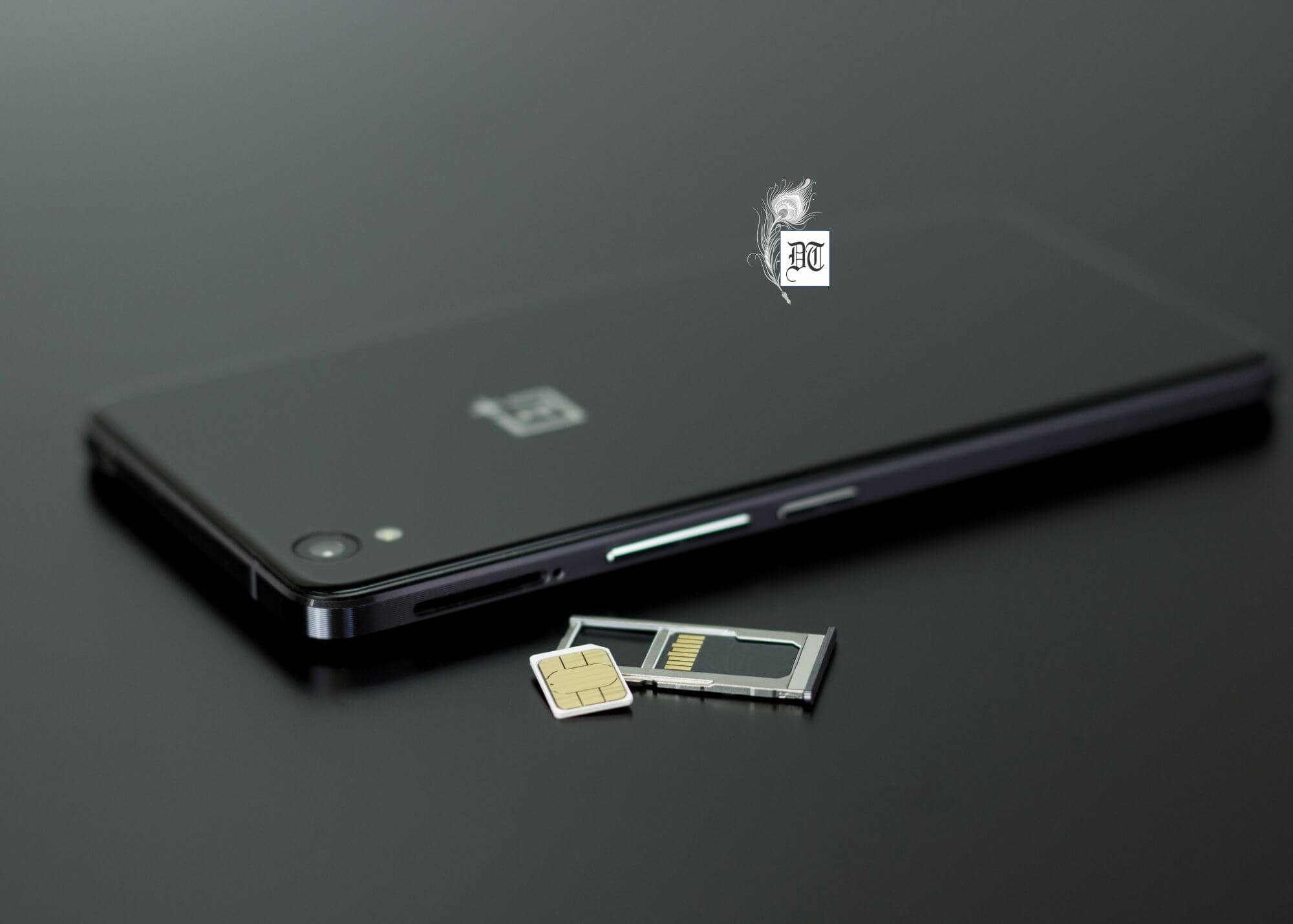

Though eSim enabled smartphones are available for years, it hasn’t caught on in the mainstream. Joydev discusses its challenges. An exclusive for Different Truths.
Despite the availability of eSIM enabled smartphones for years now, the technology still hasn’t caught on in the mainstream. Smartphones with eSIM technology are just countable. Google Pixel, iPhone SE, Samsung Galaxy S20, to name a few, and so are the carriers that support such devices. Furthermore, the eventual successor of eSIM, iSIM doesn’t even appear close to be added in the tech enthusiast’s dictionary anytime soon, as far as mainstream consumers are concerned.
From the transformation of an old-fashioned analog SIM card to a smart digital alternative, it seems a long overdue change. It is as if the conventional industry and consumers aren’t yet to move over to an entrenched and digital substitute. Here are a few reasons why eSIM is taking so long to become an everyday choice.
Challenges with eSIM
As far as the challenges with eSIM are concerned, people say some questions haunt them. They are: Will the costs be comparatively higher than standard SIMs? Will they be locked to a single carrier? How secure are eSIMs?.
Undeniably, the questions are valid. These need to be answered. But, the answers are not so convincing to tempt users to switch to eSIM. Though the remote SIM provisioning and tiny chips are supposed to counter the questions, the issue of realism still hovers.
There are a number of sources over the Internet where one can check and compare the data plans, but presently there’s not a single way to apply the plans to eSIM. Customers can have an eSIM only after turning up into stores, scan QR codes, and go through many such messes. This hectic process, especially during the ongoing pandemic, is practically more inconvenient than ordering a standard SIM. Another issue that customers are concerned about is the breaking down of eSIM phones. While an analog SIM can be easily transferred to another device if the carrying device breaks down, an inbuilt eSIM doesn’t have that option. Carriers need to make simpler the experience with eSIM, but it needs a significant backend investment.
The Future of eSIM
Although eSIM has its standalone challenges, it’s likely to be the SIM technology of the future. A survey report says that around 80 per cent of industry leaders believe that eSIM technology will eventually surpass traditional SIMs very soon. The market for SIM cards is expected to shrivel from 5.2 billion this year to 5 billion, in 2024. It is to be noted that the market will never face any sharp decline as the average consumers wish to keep their phones for a longer time rather than moving over to integrated SIM technologies.
The eSIM pledges fantastic possibilities to streamline device design and connectivity in a fast-evolving IoT landscape. As the provisioning is flexible, it makes devices immune to future network changes. Conventional cellular carriers building out eSIM infrastructure over the next few years will lead Mobile Virtual Network Operators (MVNOs) to play a game-changing role in providing flexible and affordable IoT networking solutions to end-users.
Photo from the Internet

Joydev Majumdar completed his Masters in Journalism and Mass Communication from Central University of Orissa and is working as Technology News Writer in CIO Review Magazine. He has also worked with a UK based company as Language Consultant on a project. He completed his graduation from the Steel City, Rourkela. Settled in Bangalore, he loves travelling, reading books, interacting, writing poems and stories. Has passion for photography and writes for theatre too.



 By
By
 By
By
 By
By
 By
By