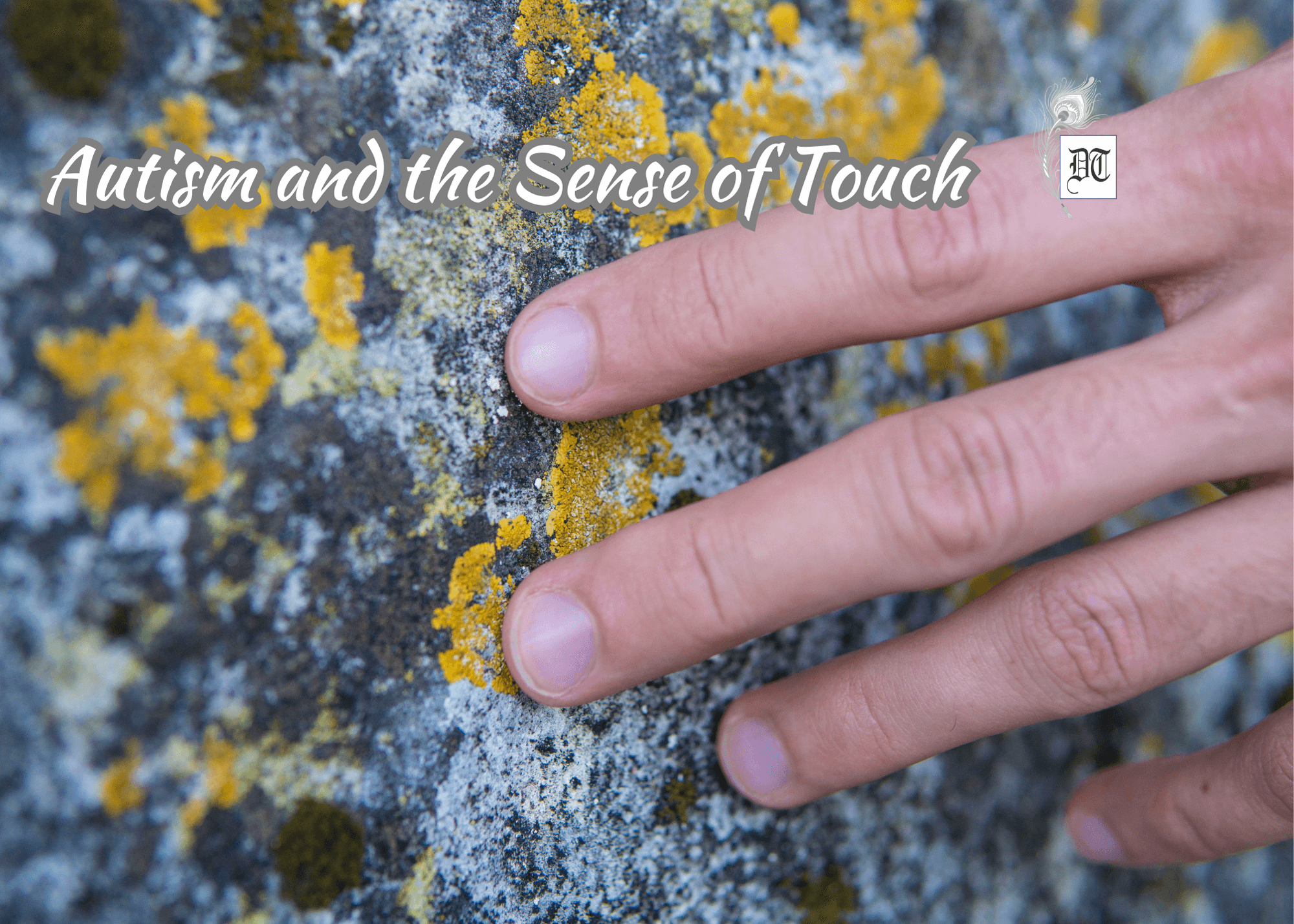
Tactile sensitivity or the sense of touch is quite common in children with Autism. Sensory irritation or lack of it is a common factor in many individuals in the spectrum of Autism. It may change, reduce or modify with age. There is nothing wrong or right about it. It is just the way their nerve endings respond. Anumita discusses both ends of tactile sensitivity issue, hyper, and hypo, suggesting how to deal with it, in the weekly column, exclusively in Different Truths.
Have you noticed some children keep away from people, and they do not touch things? Whereas, some children enjoy touching everything, without discrimination. Children with tactile sensitivity are quite common.
My two children, who are on the spectrum of Autism, fall in each category. My elder child would touch all surfaces, especially carpets and the surfaces that he walked on. As his feet were in shoes or slippers, his fingers always rubbed (read felt) the surface before he walked on it. It annoyed us a lot. I would carry disinfectant wipes constantly to wipe and clean his fingers after he rubbed them on all surfaces.
My younger one, on the other hand, did not like hugs. He would not cuddle like a baby. I was his exception. He would not let his teachers in preschool give him hugs. They understood his tactile sensitivity and never pushed, but had excellent tools that slowly enhanced his endurance and reduced his irritation.
Sensory irritation or lack of it is a common factor in many individuals on the spectrum of Autism. It may change, reduce or modify with age. There is nothing wrong or right about it. It is just the way their nerve endings respond.
My friend’s son would not wear sweaters. She was so frustrated with him and often forced to make him wear one under his winter coats. We often have sub-zero temperatures. She noticed the child would be very uncomfortable and often his teachers have found him irritable and uncooperative in class.
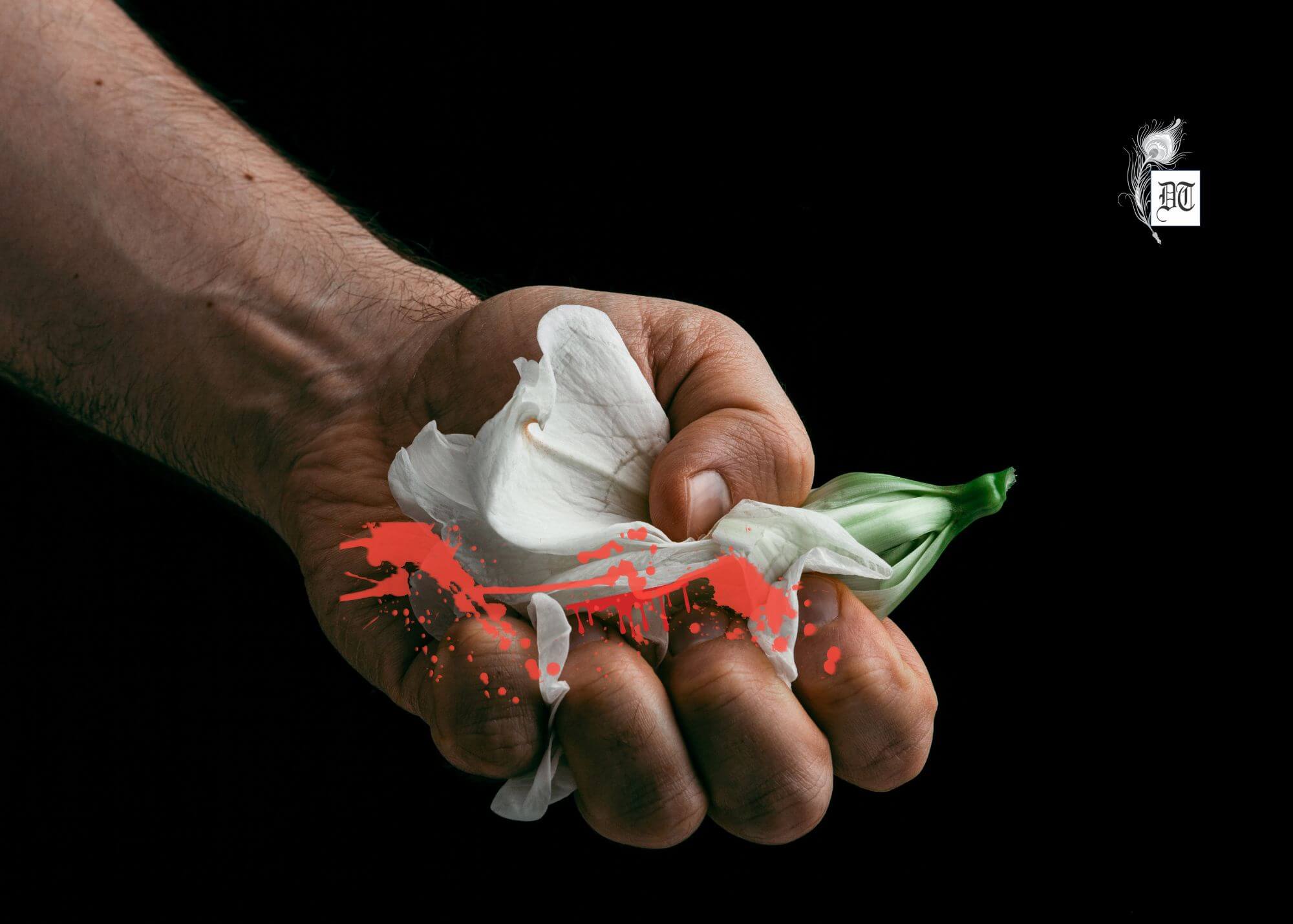
Usually, Hypertensive children feel textures as irritants equivalent to the feeling of nails being scratched on a chalkboard. This disturbs their thinking and the process of functioning gets distorted.
As most mothers, those who have children in the spectrum, we discussed our issues from time to time. I asked her to try few other ways to keep him warm instead of a sweater. To understand it better, she took her son to the store to touch different yarns (wools). She got few rolls of different textures down and asked her 5-year-old to touch them. He did not want to touch few and he looked distraught.
My friend understood that her son was very sensitive to the texture of yarns. She decided to use cotton woven clothing. She consulate with her pediatrician and they tried out many textiles till they found ones that did not irritate his sensitivity.
Usually, Hypertensive children feel textures as irritants equivalent to the feeling of nails being scratched on a chalkboard. This disturbs their thinking and the process of functioning gets distorted.
The other side of this is the lack of sensitivity or Hypo-sensitive. As I mentioned my elder child, would often touch the surface he walked on. With time, I learned that children with hyposensitivity had to assimilate the visual with the feel. They needed to know how it felt on the skin.
He often would get in trouble as a preschooler, as he would be touching the hair of his little classmates, especially the girls.
It took some teaching and preaching from the teachers and us to make him stop that. On the suggestion of the teacher and pediatrician, we got few rubber squishy balls. He was to keep it in his pocket, and whenever he would have the urge to touch a surface, he was asked to use the rubber balls.
The resource room teacher had few tools that helped him to desensitise his nerve ending. These are non-evasive little tools which are very helpful for such children. It also taught him to relate visuals with textures or feels.
During last year’s Christmas shopping, I found a young girl (with Autism) laying on the ground of a mall. Her mother sat down on the ground beside her and gently stroke her hair. I noticed many shoppers gave them weird looks. I approached the mother and asked if everything was okay. She smiled and said that her girl needs to align herself. I smiled and sat down with her for few mins.
Often sounds, lights and textures mix up their sense of balance, and they find it hard to keep their body aligned. They need to touch the ground to feel a stable surface to align
It is not uncommon for children with Autism to lay down on the ground or to touch the ground often. This action of theirs does not mean that they are being obstinate or lazy. It rather means that they need to stabilise themselves. Often sounds, lights and textures mix up their sense of balance, and they find it hard to keep their body aligned. They need to touch the ground to feel a stable surface to align themselves.
Our day to day life is constantly being infused with explosions of sound, lights, and textures. With this over-stimulation of senses, it is often difficult for most of us to function without distractions. For a child or person with Autism, the world today is like a constant bombardment of overstimulation.
Next time you see a child touching a surface or a child shying from a hug, please do not judge. They are the children of this world, and they are one of us, be sensitive to their sensitivity.
Anumita Roy is an artist at heart and legal/medical interpreter by profession. She creates word images in her verses and loves to write short stories. Mother of children in the spectrum, she advocates special needs issues in whichever way possible. Born in India, brought up in several countries, makes her a true global citizen. She now lives in the Columbus, Ohio, with her family and follows her passion for writing and advocacy being the Managing Editor of Different Truths.
Rita reports on Sahachari’s mesmerising “Loho Pronam” event, exclusively for DifferentTruths.com. AI Summary On 31st May, Sahachari’s ‘Loho Pronam’ programme…
Sohini explores the complex bond between ancient spirituality and modern feminism for DifferentTruths.com, challenging simplistic contemporary gender binaries.…
Kindly Note: Articles can only be reproduced in other sites with due permission and acknowledgement to Different Truths. You cannot republish digitally or in print without acknowledgement. Authors & poets are also needed to heed to it. They too must seek permission to reproduce it elsewhere. They must help us protect their works from being copied and/or plagiarised.






 By
By
 By
By
 By
By
 By
By